Fertilizer can feel like a magic solution for lush growth, but can you use too much fertilizer without realizing it? The answer is yes—and it can quickly become a nightmare for your plants. If you’ve noticed browning leaves, wilting despite moist soil, or a strange white crust on the soil’s surface, you could be dealing with fertilizer overload—a silent killer that’s easy to overlook until it’s too late.
Over-fertilization can choke your plants, stunt their growth, and even cause them to die. The good news? You can stop the damage before it gets worse. In this guide, you’ll learn how to recognize the warning signs, fix the problem, and prevent it from happening again. Don’t let a simple mistake undo your hard work—save your plants today.
Can You Use Too Much Fertilizer?
Using too much fertilizer can harm your plants instead of helping them. When excess nutrients build up in the soil, they can “burn” the roots, making it harder for plants to absorb water. Over time, this can lead to wilting, yellowing, and stunted growth. Over-fertilization also impacts the surrounding environment, as runoff can contaminate waterways.
Why Do Plants Need Fertilizer?
Plants need fertilizer to supplement essential nutrients lacking in the soil. Fertilizers provide three primary nutrients: nitrogen for leafy growth, phosphorus for strong roots, and potassium to support overall plant health and resistance to stress. While healthy soil contains some nutrients, they deplete over time, especially when you grow vegetables or flowers that are heavy feeders.
Factors like frequent watering, crop cycles, and environmental conditions can also wash away or diminish nutrients. This leaves plants needing an extra boost to stay vigorous. Fertilizer helps fill those gaps, ensuring plants have enough food to thrive.
In addition to the basics, fertilizers may contain secondary nutrients like calcium, magnesium, and trace minerals such as iron or zinc, all of which improve growth, fruit production, and resilience. By feeding plants the right balance, fertilizers encourage lush foliage, vibrant blooms, and abundant harvests.
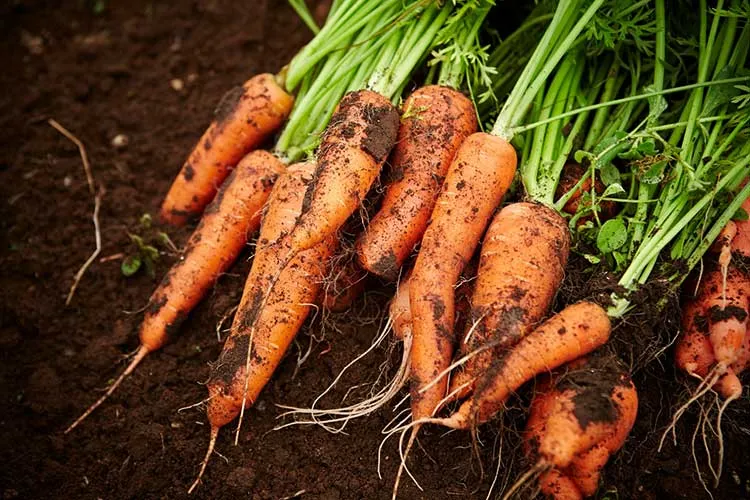
However, different plants have different nutrient needs. For example, leafy greens love nitrogen, while root vegetables need a balance of phosphorus and potassium to form healthy tubers. Knowing your plant’s needs and your soil’s condition will help you choose the right type of fertilizer and use it effectively.
Causes of Over-Fertilization
Over-fertilization can happen more easily than you might think. It’s not always about dumping a large amount of fertilizer at once—it can build up over time from small mistakes or oversights.
Misreading Instructions
One common cause is misunderstanding or overlooking the label instructions on fertilizer packaging. Each type of fertilizer—granular, liquid, or slow-release—has its recommended dosage. Accidentally, using a “heavier hand” when mixing or spreading fertilizer can lead to applying double or even triple the necessary amount. Some gardeners also assume that more fertilizer means faster growth, often leading to nutrient overload.
Frequency of Application
Applying fertilizer too often is another reason plants can get overfed. Many fertilizers are meant to be applied once every few weeks, but it’s easy to forget when the last feeding occurred and add more too soon. This happens especially during peak growing seasons when you’re eager to see rapid results. Keeping a simple feeding schedule can prevent this mistake.
Fertilizer Build-Up in Soil
Soil can accumulate excess fertilizer, especially if synthetic fertilizers don’t break down as quickly. Over time, this buildup increases salt levels in the soil, hindering water absorption and burning plant roots. Poor drainage can worsen the problem, as leftover fertilizer has nowhere to go and remains concentrated around the roots. Proper watering and the occasional soil flush can help mitigate this issue.
Signs You Are Over-Fertilizing Your Plants
Over-fertilization manifests in several noticeable ways and is often mistaken for other plant issues. Paying close attention to plant changes can help you catch the problem early.
Leaf Discoloration and Burned Edges
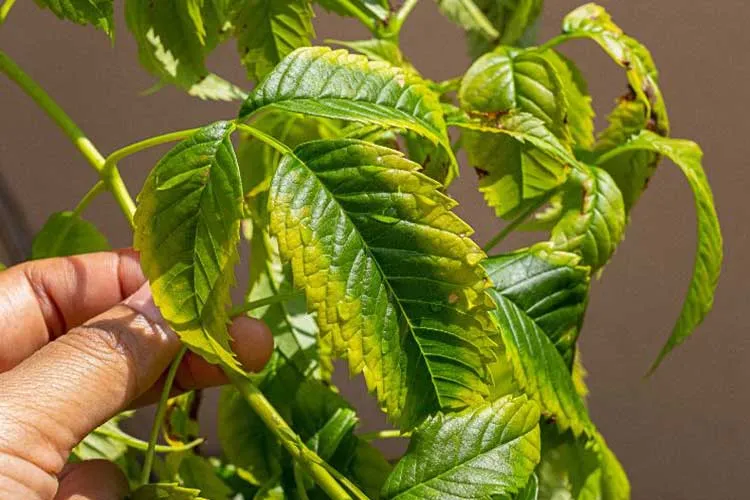
One of the most common signs is browning or “burnt” leaf tips and edges. This happens when too much salt from the fertilizer draws moisture out of the plant, causing dehydration. In severe cases, leaves may turn yellow, curl, or fall off.
White Crust on the Soil Surface
A visible layer of white or crusty residue on top of the soil is a clear sign of fertilizer buildup. This residue indicates that excess minerals have accumulated, making it harder for water to reach the roots. The longer this buildup remains, the more likely your plant’s roots will be damaged.
Slow or Stunted Growth
Ironically, too much fertilizer can slow plant growth rather than boost it. Instead of thriving, plants may appear stunted or stop producing flowers and fruit. This happens because the overloaded soil creates stress, forcing the plant to use energy to survive rather than grow.
Wilting Despite Moist Soil
If your plant wilts even though the soil is moist, over-fertilization may be the problem. The high salt content in the soil can disrupt the plant’s ability to absorb water, causing it to behave as if it were parched. Addressing this issue quickly can help your plants recover.
How to Treat Over-Fertilized Plants
If you suspect overfertilization, you can take several steps to help your plants recover. Acting quickly can make a big difference in restoring their health.
Flush the Soil with Water
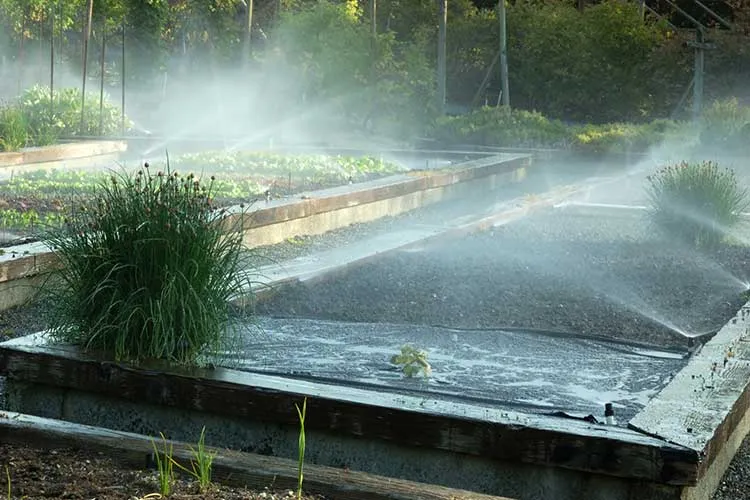
One of the first steps to reducing excess fertilizer is flushing the soil thoroughly with water. Place the pot in a sink or outdoors for potted plants and run water through the soil for several minutes. This process helps wash away excess nutrients and salts. Use a slow, deep soak for garden beds to ensure water reaches the root zone and drains properly. Avoid oversaturating the soil, as too much water can lead to root rot.
Remove Affected Leaves and Stems
Pruning damaged leaves and stems can help your plant focus its energy on recovery. Use clean, sharp scissors or pruners to cut away browned or yellow foliage. Removing these stressed parts reduces the risk of further stress or pest infestations.
Repot If Necessary
In severe cases of extreme fertilizer buildup, repotting may be the best solution for container plants. Gently remove the plant from its pot, shake off the excess soil, and rinse the roots with lukewarm water. Then, replant using fresh, balanced potting soil to give your plant a clean start.
Pause Fertilizer Use Temporarily
Hold off on fertilizing to give your plants time to recover. Instead, focus on providing enough water and sunlight for a few weeks. Once new growth appears, you can resume fertilizing but at reduced strength and frequency to prevent further issues.
Add Organic Matter for Long-Term Balance
Adding compost or other organic materials for garden beds can help improve soil structure and regulate nutrient levels. Organic matter not only dilutes excess salts but also increases the soil’s ability to retain moisture, which supports plant recovery. Over time, healthier soil reduces the chance of future over-fertilization problems.
Prevention Tips to Avoid Over-Fertilization
Preventing over-fertilization is all about building good habits and staying aware of your plant’s needs. A few simple adjustments can keep your garden thriving without risking nutrient overload.
Soil Testing
A soil test is a great way to determine what nutrients your plants need. Testing kits measure nitrogen, phosphorus, potassium, and pH levels, helping you avoid adding unnecessary nutrients. Understanding your soil’s baseline allows you to tailor your fertilization routine and skip the guesswork. Testing once or twice a year, especially before the growing season, ensures you’re not overloading your soil.
Use Slow-Release Fertilizers
Slow-release fertilizers break down gradually over time, providing a steady nutrient supply rather than an intense dose all at once. These fertilizers reduce the risk of nutrient spikes and minimize the need for frequent applications. Since they’re designed to release nutrients as plants need them, they’re an excellent choice for gardeners who want a “set it and forget it” approach. Look for products labeled as “slow-release” or “controlled-release” for an easy solution.
Adjust Your Watering Schedule
Proper watering helps prevent fertilizer buildup in the soil. If the soil is consistently dry, nutrients can become concentrated and cause damage. On the other hand, watering too lightly won’t effectively flush out excess fertilizer. A good practice is to water deeply but less frequently, allowing water to reach the roots and carry any excess salts away.
These preventive steps can make fertilizing stress-free and keep your plants flourishing season after season.