Curious about compost tea? This natural, nutrient-packed liquid is like a superfood for your garden. Made by steeping compost in water, it teems with beneficial microbes and nutrients that boost soil health, strengthen plants, and promote thriving growth. Unlike synthetic fertilizers, compost tea nurtures your soil’s ecosystem, improving its structure and long-term fertility while being eco-friendly.
Whether you’re revitalizing soil, helping plants resist pests, or simply aiming for lush veggies and blooms, compost tea is your garden’s best friend. Want to learn the ins and outs of making, using, and maximizing this organic powerhouse? Let’s dive in and brew some garden magic!
What is Compost Tea?
Compost tea is a nutrient-rich liquid fertilizer created by steeping compost in water. This process extracts beneficial microorganisms and nutrients from the compost, resulting in a natural solution that supports plant growth and soil health. Often referred to as a “living fertilizer,” compost tea enhances soil ecosystems by introducing diverse microbes that can improve nutrient availability and boost plant resilience.
Unlike synthetic fertilizers, which deliver nutrients in a concentrated, chemical form, compost tea works by nourishing both plants and the soil’s natural biological processes. Its versatility makes it suitable for a variety of gardening needs, from revitalizing depleted soils to supporting thriving vegetable gardens and flower beds. With its ability to promote healthy roots, increase yields, and improve soil structure, compost tea has become a favorite among organic gardeners seeking sustainable, eco-friendly growing solutions.
Simple to make and apply, compost tea is an excellent way to bring nature’s power directly to your garden.
Compost Tea vs. Liquid Fertilizer
Compost tea and liquid fertilizers may seem similar at first glance, but they serve very different purposes in the garden. Compost tea is an organic brew teeming with beneficial microorganisms, while liquid fertilizers—especially synthetic ones—primarily deliver concentrated nutrients to plants without boosting soil biology.
The main advantage of compost tea lies in its holistic approach. When you introduce microbes to the soil, it fosters a thriving ecosystem that enhances nutrient availability, improves soil structure, and supports long-term plant health. This microbial action can also help suppress diseases, making compost tea a valuable tool for sustainable gardening.
In contrast, synthetic liquid fertilizers provide a quick nutrient boost, often in a precise and easily measurable form. However, they don’t contribute to soil health and may even deplete beneficial microorganisms over time. Prolonged use can lead to soil compaction and nutrient imbalances, as plants become dependent on external inputs rather than natural cycles.
Organic liquid fertilizers, while closer to compost tea in nature, lack the living microbial component. They deliver nutrients but don’t actively build the soil’s biological network.
The primary drawback of compost tea is that its effectiveness can vary based on the brewing process and the quality of the compost used. Synthetic fertilizers, on the other hand, offer predictable results but may harm the environment through runoff and pollution.
How to Use Compost Tea
Using compost tea in your garden is straightforward, and it offers flexibility depending on your plants’ needs. The two main methods of application are soil drenching and foliar spraying.
Soil drenching involves pouring compost tea directly onto the soil around plants. This method delivers nutrients and beneficial microbes straight to the root zone, improving soil structure and supporting healthy root development. It’s particularly effective for vegetables, flowers, and fruiting plants that benefit from nutrient-rich, biologically active soil.
Foliar spraying applies compost tea directly to plant leaves using a spray bottle or garden sprayer. This allows nutrients and microbes to be absorbed through the leaf surface, providing a quick boost to stressed or nutrient-deficient plants. It’s especially useful for leafy greens, herbs, and ornamental plants.
You can use compost tea in various scenarios, such as during transplanting to reduce stress, when plants show signs of nutrient deficiencies, or as a general tonic for your garden. While it’s gentle enough for regular use, moderation is key—overapplication may lead to waterlogging or other issues.
For best results, apply compost tea in the early morning or late afternoon to avoid evaporation and leaf burn from direct sunlight. Incorporate it into your routine to support vibrant, healthy growth!
When and How Often to Use Compost Tea
Timing and frequency are key to maximizing the benefits of compost tea without overdoing it. While compost tea is gentle, excessive use can lead to waterlogged soil or nutrient imbalances, so it’s important to tailor your application to your garden’s needs.
Timing:
The best time to apply compost tea is during a plant’s active growth phases, such as early spring for most garden plants or early to mid-growing season for annuals. For foliar sprays, choose early morning or late afternoon when temperatures are cooler, and avoid windy or rainy conditions to ensure maximum absorption. Avoid using compost tea on dormant plants, as it won’t provide much benefit during periods of minimal growth.
Frequency:
For most plants, applying compost tea every two to four weeks is sufficient. Young seedlings or newly transplanted plants may benefit from more frequent use, as compost tea can help reduce stress and promote strong root development. Mature plants or established gardens can thrive with less frequent applications, especially if the soil is already healthy.
Can You Use Compost Tea Too Often?
While it’s difficult to overuse compost tea, applying it too frequently can lead to oversaturation or wasted resources. Keep an eye on your plants—if they’re thriving, there’s no need to overapply. Balance compost tea applications with other good gardening practices for the healthiest results.
The Benefits of Compost Tea
Compost tea offers a range of benefits that make it a valuable addition to any garden. Its ability to enhance soil and plant health in an organic and sustainable way is why many gardeners swear by it.
One of the primary advantages of compost tea is improved nutrient availability. The nutrients extracted during the brewing process are in a form that plants can easily absorb. Additionally, compost tea introduces beneficial microorganisms that help break down organic matter, releasing more nutrients over time.
Another key benefit is its role in enhancing soil structure. By promoting microbial activity, compost tea improves soil porosity and water retention, making it ideal for sandy or compacted soils. Healthier soil structure leads to better root development and overall plant health.
Compost tea can also contribute to plant vigor and resilience. The microbes it delivers help plants develop stronger root systems and a natural resistance to pests and diseases. Foliar applications of compost tea can even act as a mild deterrent to certain pests and fungal infections.
How to Make Compost Tea Fertilizer
Brewing your own compost tea at home is simple and requires minimal equipment. Here’s a step-by-step guide to get you started:
What You’ll Need:
- High-quality, mature compost (preferably organic).
- A large bucket (5 gallons is ideal).
- Non-chlorinated water (use rainwater or let tap water sit for 24 hours to dechlorinate).
- A mesh bag or old pillowcase (optional for straining).
- Aeration device, like an aquarium pump (optional but recommended).
Steps:
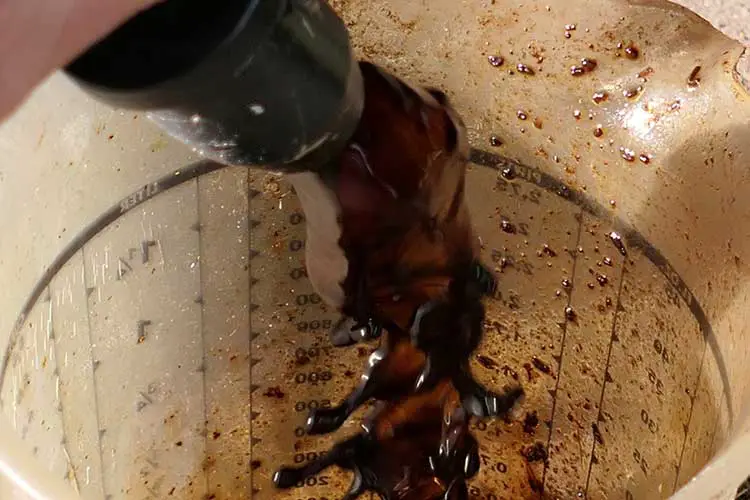
- Fill the bucket: Add water to your bucket, leaving some room at the top.
- Add compost: Place 1–2 cups of compost into the water. If using a mesh bag, put the compost inside it and submerge it in the bucket. This keeps sediment contained while allowing nutrients to infuse the water.
- Aerate (optional): To encourage beneficial microbial growth, use an aquarium pump to aerate the mixture continuously. Stirring the mixture regularly can also work if you don’t have a pump.
- Brew time: Let the compost steep for 24–48 hours. Avoid brewing for too long, as this can lead to anaerobic conditions that produce harmful compounds.
- Strain and use: Strain the tea if needed, then apply it immediately to your garden via soil drenching or foliar spraying.
Brewing Pitfalls and Risks
While making compost tea is simple, certain mistakes can lead to reduced effectiveness or even harm to your plants and soil. By avoiding these common pitfalls, you can ensure a successful brew every time.
Anaerobic Conditions:
If compost tea becomes stagnant or lacks sufficient oxygen, it can turn anaerobic, producing foul odors and potentially harmful compounds. This is especially common when the tea is brewed for too long or without proper aeration. To prevent this, use an aeration device or stir the tea regularly, and don’t exceed a 48-hour brewing period.
Contamination Risks:
Using low-quality or contaminated compost can introduce pathogens that may harm plants or pose health risks, especially for edible crops. Always start with high-quality, mature compost and clean brewing equipment to minimize this risk.
Over-Brewing:
Letting compost tea sit for too long can cause a decline in beneficial microbes. Stick to the recommended brewing window of 24–48 hours to maintain the tea’s microbial activity and nutrient content.
Risks to Plants and Soil:
Overapplication or improper dilution of compost tea can lead to waterlogging or nutrient imbalances, particularly in sensitive plants. Apply compost tea in moderation and monitor your garden for any signs of stress.
Microbial and Environmental Impacts
Compost tea can have profound effects on both the microbial life in your soil and the surrounding environment. Its ability to introduce beneficial microbes is one of its biggest advantages, but it’s important to understand the balance of benefits and potential risks.
Microbial Benefits:
Compost tea delivers a diverse array of beneficial bacteria, fungi, and other microorganisms that help improve soil health. These microbes play a vital role in breaking down organic matter, releasing nutrients, and enhancing soil structure. They also contribute to a natural defense system for plants, helping to suppress harmful pathogens and reduce the need for chemical treatments.
Potential Risks:
On the flip side, improperly brewed or contaminated compost tea can introduce harmful pathogens like E. coli or Salmonella, which can pose risks to both plants and humans, especially in edible gardens. Using high-quality compost and proper brewing techniques can mitigate this issue. Additionally, avoid applying compost tea directly to edible plant parts close to harvest.
Environmental Considerations:
Unlike synthetic fertilizers, compost tea is unlikely to contribute to waterway pollution if used responsibly. However, overuse or runoff from overapplication can still lead to nutrient imbalances in local ecosystems. Always apply compost tea with care to support both your garden and the environment.
When used thoughtfully, compost tea promotes a thriving microbial ecosystem while minimizing environmental risks.