Looking for a simple way to boost your health without overhauling your diet? Lettuce might seem basic, but eating it daily can have a surprisingly big impact. The benefits of eating lettuce every day may surprise you. Packed with essential nutrients like vitamins A, K, and folate, lettuce supports everything from sharper vision to stronger bones.
Its high water content helps keep you hydrated, while its low-calorie profile makes it a great option for weight management. Plus, some varieties, like romaine, even contain small amounts of iron to help combat anemia.
Whether you’re trying to improve digestion, support heart health, or eat lighter, lettuce is more than a salad filler—it’s a nutritional powerhouse. Read on to discover why this leafy green deserves a spot on your plate daily.
Health Benefits of Lettuce
Hydration
Lettuce is over 95% water, making it an excellent way to support your daily hydration. Eating water-rich foods like lettuce can complement your water intake, especially during warmer months when you’re more prone to dehydration.
Staying hydrated is crucial for regulating body temperature, maintaining energy levels, and supporting healthy skin. Romaine, leaf, and butterhead varieties not only quench thirst but also add a refreshing crunch to meals, making it easy to stay hydrated without even thinking about it.
Weight Loss Support
Lettuce is a great choice if you’re looking for a simple way to make meals more filling without adding extra calories. Its low-calorie content bulks up your plate while helping with portion control. Swapping high-calorie ingredients for a bed of greens can satisfy hunger without the added weight. Plus, the fiber in lettuce helps you stay full longer, making it easier to stick to balanced eating habits.
Preventing Anemia
Certain types of lettuce, such as romaine, contain small amounts of iron that can help contribute to your daily intake, especially when paired with vitamin C-rich foods like citrus fruits or bell peppers, which enhance iron absorption. While lettuce alone won’t replace iron supplements for those with anemia, adding iron-rich greens to your diet is an easy way to support your red blood cells.
Bone Health
Lettuce, particularly romaine and green leaf varieties, is a good source of vitamin K, which plays a key role in bone metabolism and helps maintain bone density. Calcium is another important mineral for bone health; some types of lettuce provide small but meaningful amounts of this nutrient. Regularly eating vitamin K-rich greens can support long-term bone strength, helping to reduce the risk of fractures as you age.
Digestive Health
Fiber is essential for maintaining a healthy digestive system, and lettuce provides a mild, easy-to-digest source of dietary fiber. This fiber helps keep things moving, preventing constipation and promoting regular bowel movements. Unlike high-fiber foods that feel heavy, lettuce offers a lighter way to increase fiber intake without weighing you down. Adding lettuce to sandwiches, soups, or wraps can help improve digestion without drastically changing your diet.
Sleep Improvement
Lettuce contains a natural compound called lactucarium, sometimes called “lettuce opium” due to its mild sedative properties. Though subtle, lactucarium may help promote relaxation and support better sleep when consumed as part of an evening meal. While it’s not a replacement for sleep aids, enjoying a salad with dinner could be a calming addition to your nighttime routine.
Vision Support
The vitamin A in lettuce is crucial for maintaining healthy vision, particularly night vision. It supports the cornea’s health and helps protect the eyes from age-related conditions. Adding various colorful vegetables alongside your greens can further boost eye health, but lettuce alone is an easy and tasty way to take care of your sight with each meal.
Nutritional Value of Lettuce
Lettuce may seem simple, but it’s packed with nutrients that help support various aspects of your health. One of its standout vitamins is vitamin A, which is crucial in maintaining healthy vision and boosting immune function. The beta-carotene in lettuce is converted into vitamin A, making it particularly useful for eye health, including night vision.
Vitamin K is another key player for blood clotting and maintaining strong bones. Just one serving of certain lettuce varieties, like romaine or leaf lettuce, can provide a significant portion of your daily vitamin K needs.
Another important nutrient in lettuce is folate (vitamin B9), which supports red blood cell production and particularly benefits pregnant women due to its role in preventing neural tube defects. Lettuce also contains antioxidants, such as beta-carotene and lutein, which help neutralize free radicals that can damage cells over time.
In addition to its rich vitamin profile, lettuce is naturally low in calories and water content, making it an excellent choice for staying hydrated. Its water-rich composition helps with fluid balance in the body while contributing to a feeling of fullness. It is ideal for anyone looking to support weight management without sacrificing nutrients.
Lettuce offers a lot in each leafy bite, Whether you aim to stay hydrated, support your vision, or strengthen your bones.
Main Types of Lettuce
There are several varieties of lettuce, each with its flavor, texture, and nutrient profile. Understanding the differences can help you choose the best type for your meals and health goals.
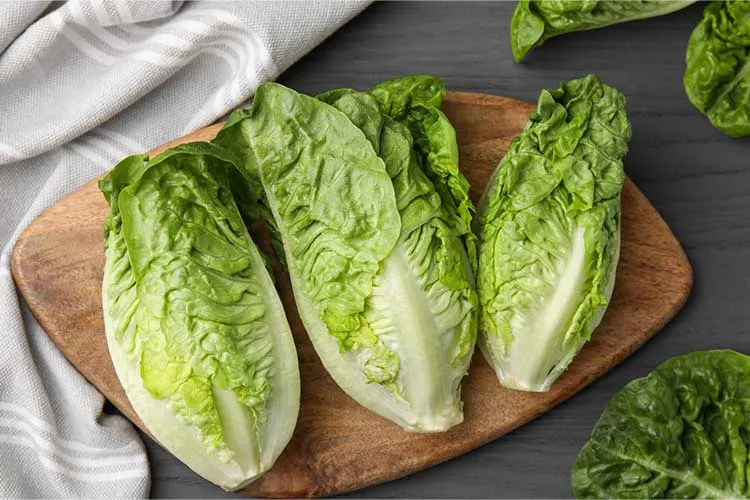
Romaine: This crisp, elongated lettuce is packed with nutrients like vitamin A, vitamin K, and folate. Its sturdy leaves make it perfect for hearty salads and lettuce wraps. Romaine has a slightly sweet, earthy flavor and offers more vitamins and minerals than milder types.
Iceberg: Known for its pale green color and crunchy texture, iceberg lettuce is popular for adding crispness to salads, sandwiches, and burgers. Although it’s lower in nutrients than other varieties, its high water content makes it incredibly hydrating.
Butterhead: Soft, tender, and mildly sweet, butterhead varieties, like Bibb and Boston lettuce, have loose, cup-shaped leaves that work well for wraps and delicate salads. It provides a moderate amount of vitamins A and K, making it a flavorful, nutrient-rich option.
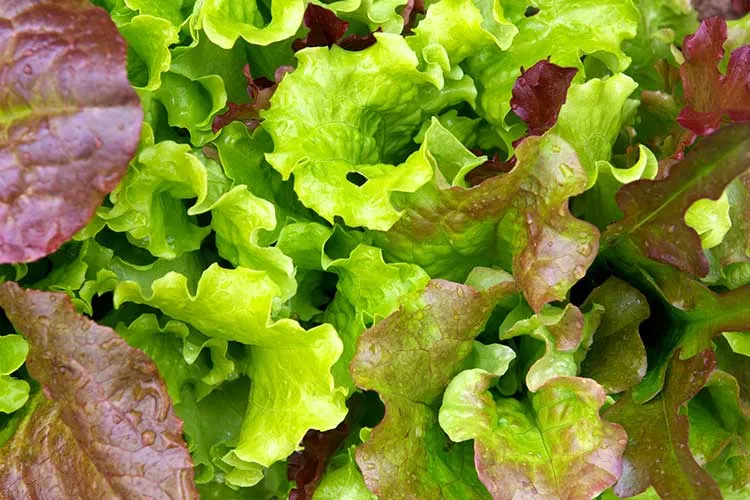
Leaf Lettuce: Available in red and green varieties, leaf lettuce has a loose, frilly structure and a mild flavor. It’s versatile and easy to grow, making it a popular choice for home gardeners. While slightly less crunchy, it still packs a nutritional punch with plenty of vitamin K and antioxidants.
Each type of lettuce offers its benefits, so mixing and matching can keep your meals flavorful and nutritious.
How to Eat Lettuce
Lettuce is a versatile ingredient that can be enjoyed in various meals, adding freshness, crunch, and nutrients.
Salads with Toppings for Variety
A classic way to enjoy lettuce is in salads. You can keep it simple with a drizzle of olive oil and vinegar or get creative by adding toppings like nuts, seeds, roasted vegetables, or grilled proteins. The key is to mix different textures and flavors to keep things interesting.
Sandwiches and Lettuce Wraps
Lettuce also shines in sandwiches and wraps, providing a crisp bite and a healthy alternative to bread or tortillas. Large leaves from romaine or butterhead varieties make sturdy wraps that can hold fillings like grilled chicken, veggies, or tofu for a light but satisfying meal.
Sautéing or Adding to Soups
For a unique twist, try sautéing lettuce or adding it to soups. Leafy types like romaine or green leaf soften beautifully when lightly cooked, giving dishes a comforting, tender texture. Sautéed lettuce can pair well with garlic and lemon for a quick side dish or be stirred into broths for added nutrients.
No matter how you serve it, lettuce brings a refreshing element to meals, making healthy eating easy and delicious.