Fertilizers are a key ingredient for thriving plants, providing essential nutrients that might be missing from your soil. Whether you’re growing lush lawns or juicy tomatoes, choosing the right fertilizer can make all the difference. Two main types stand out: liquid and granular fertilizers.
Both serve the same purpose but vary in how they work, how they’re applied, and how quickly they deliver results. Understanding their unique features will help you make the best choice for your garden’s needs. In this guide, we’ll break down the differences, highlight their benefits and drawbacks, and share practical tips for using them effectively. Let’s dig into the details to help you grow your best garden yet!
Granular vs. Liquid Fertilizer: Which Should You Use?
Choosing between granular and liquid fertilizer starts with understanding the basics—like NPK ratios. These numbers, commonly seen on fertilizer labels, represent nitrogen (N), phosphorus (P), and potassium (K). Each nutrient plays a vital role: nitrogen supports leafy growth, phosphorus encourages strong roots, and potassium boosts overall plant health. The right NPK balance depends on your plants and their growth stage, making it crucial to match the fertilizer to your garden’s needs.
Composition and Forms
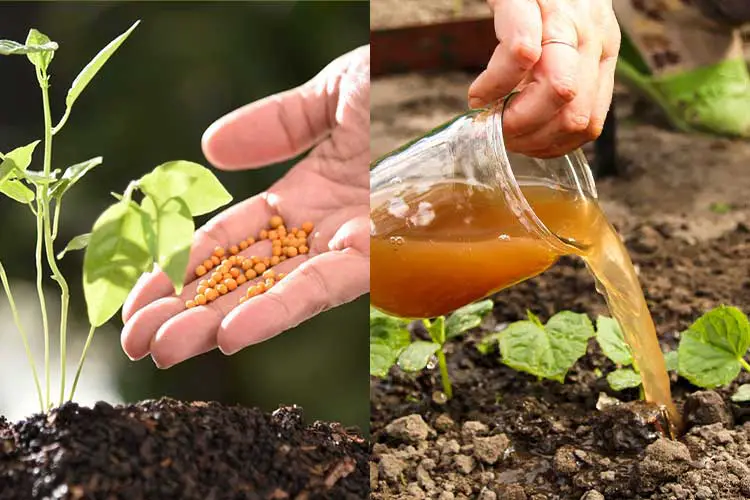
Granular fertilizers come in pellet or powder form and can be slow-release or quick-acting. Slow-release formulas deliver nutrients gradually over time, making them ideal for long-term feeding. Quick-release versions provide a nutrient boost immediately after application.
Liquid fertilizers are typically sold as concentrates or ready-to-use solutions. Concentrates must be diluted with water before application, offering flexibility in strength. Liquid fertilizers are often absorbed quickly by plants, making them ideal for rapid results.
Features and Benefits
| Feature | Granular Fertilizer | Liquid Fertilizer |
|---|---|---|
| Ease of Application | Spread with a broadcast spreader; ideal for large areas. | Applied with a sprayer or watering can; easy for precise feeding. |
| Nutrient Release | Slow-release versions provide steady feeding. | Quick nutrient uptake for immediate results. |
| Cost-Effectiveness | Often cheaper and lasts longer. | Typically more expensive per application. |
| Best Use Cases | Lawns, trees, and long-term care. | Seedlings, container plants, and rapid growth needs. |
When to Use Each
Granular fertilizers shine in maintaining large areas like lawns or when feeding plants that benefit from consistent nutrients over time. On the other hand, liquid fertilizers are perfect for giving struggling plants a quick pick-me-up or delivering nutrients to young plants that need a boost.
Both types have unique strengths, so understanding your specific gardening goals, plant needs, and soil conditions will guide your choice.
Benefits and Drawbacks of Liquid Fertilizer
Liquid fertilizers are a popular choice for many gardeners, thanks to their versatility and rapid effects. They’re especially beneficial for plants that need an immediate nutrient boost, like struggling vegetables or flowering plants. Because they’re absorbed quickly through the soil and sometimes even the leaves, liquid fertilizers can provide results within days.
Benefits
- Quick Absorption: Liquid fertilizers are perfect for fast-acting results, ideal for young plants or those showing signs of nutrient deficiency.
- Precision Feeding: They allow targeted application, making it easy to give specific plants exactly what they need.
- Convenience: They’re easy to mix and apply, often doubling as foliar feeds for an extra nutrient boost.
Drawbacks
- Frequent Application Needed: Since nutrients are absorbed quickly, they also leach out of the soil faster, requiring more frequent reapplication.
- Cost: Liquid fertilizers can be more expensive than granular options, especially for larger gardens.
- Risk of Overfeeding: Improper mixing or overuse can lead to nutrient burn or wasted fertilizer.
For best results, consider using liquid fertilizers for container plants, seedlings, or vegetables during their peak growing season. Balance their use with long-term soil health practices to maintain consistent growth.
Benefits and Drawbacks of Granular Fertilizer
Granular fertilizers are a go-to choice for gardeners who prefer a straightforward, long-lasting option. Their solid form makes them easy to store and ideal for slow, steady nutrient delivery, perfect for low-maintenance feeding schedules.
Benefits
- Slow-Release Options: Granular fertilizers often come in slow-release formulas, providing nutrients over weeks or even months, reducing the need for frequent reapplication.
- Cost-Effective: They tend to be less expensive than liquid fertilizers and cover larger areas, making them budget-friendly for lawns and big gardens.
- Ease of Application: Granules can be spread by hand or with a broadcast spreader, making them efficient for large-scale use.
Drawbacks
- Delayed Results: Granular fertilizers take time to break down, so they’re not ideal for plants needing an immediate nutrient boost.
- Uneven Application Risk: Without careful application, granules can spread unevenly, leading to inconsistent feeding.
- Dependence on Moisture: Nutrient release depends on soil moisture, so they may not perform well in dry conditions without supplemental watering.
Granular fertilizers work best for established plants, lawns, and trees, where consistent, long-term feeding is more important than quick results. Use them alongside soil testing to ensure your plants get the right nutrients.
Granular vs. Liquid Fertilizer for Tomatoes
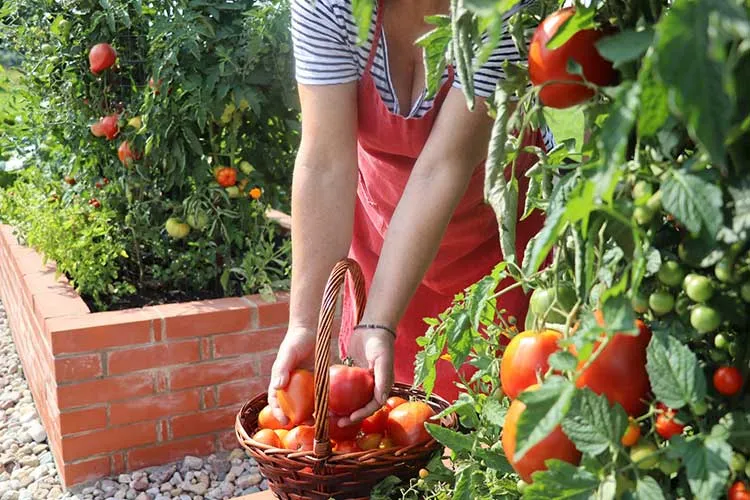
Tomatoes are nutrient-hungry plants that thrive with a well-balanced feeding schedule, making the choice between granular and liquid fertilizers particularly important. Both types can be effective, but the best option depends on your goals and gardening setup.
Granular Fertilizer for Tomatoes
Granular fertilizers are a great choice for tomatoes when preparing the soil at planting time. Slow-release formulas provide a steady supply of nutrients over the growing season, which is ideal for supporting fruit development. To use, mix granular fertilizer into the soil around your tomato plants, ensuring it’s evenly distributed to avoid burning the roots. This option is particularly beneficial for in-ground gardens where consistent feeding is crucial.
Liquid Fertilizer for Tomatoes
Liquid fertilizers shine when tomatoes need a quick nutrient boost, such as during flowering or fruiting stages. They’re also ideal for container-grown tomatoes, where nutrients can wash out of the soil quickly. Apply liquid fertilizers every 1-2 weeks, diluting them according to the label instructions to avoid overfeeding. Foliar feeding—spraying the fertilizer directly on leaves—can provide an added boost.
Which to Choose?
For optimal results, consider combining both types: start with granular fertilizer at planting and supplement with liquid feed during critical growth stages. This balanced approach ensures your tomatoes have the nutrients they need for lush growth and a bountiful harvest.
Granular vs. Liquid Fertilizer for Lawns
Fertilizing your lawn is key to maintaining its vibrant green color and healthy growth. Both granular and liquid fertilizers can get the job done, but the best choice depends on your lawn’s specific needs and your maintenance style.
Granular Fertilizer for Lawns
Granular fertilizers are a favorite for lawn care because they’re easy to apply over large areas and provide long-lasting results. Slow-release options feed your lawn gradually, which is perfect for consistent growth and reducing the frequency of applications. Use a broadcast spreader for even coverage, and water the lawn after application to help the granules dissolve and penetrate the soil.
Liquid Fertilizer for Lawns
Liquid fertilizers are ideal for a quick green-up, making them a great option for when your lawn needs a rapid boost, such as before a special event or during peak growing seasons. They’re applied using a sprayer or hose attachment, ensuring uniform coverage. However, since liquid fertilizers don’t last as long in the soil, they may require more frequent applications.
Which to Choose?
Granular fertilizers are best for maintaining lawns with minimal effort, especially in larger areas. On the other hand, liquid fertilizers are a go-to for spot-treating problem areas or giving your lawn a seasonal boost. A combination of both can provide steady, long-term feeding with flexibility for touch-ups when needed.
How to Use and Apply Liquid Fertilizer
Liquid fertilizer is easy to use and delivers nutrients quickly to your plants. Here’s how to apply it effectively for the best results:
- Dilute the Fertilizer
Most liquid fertilizers come in concentrated form, so be sure to dilute them according to the label instructions. Over-concentrating the solution can harm your plants by causing nutrient burn. - Choose the Right Application Method
Use a watering can for small areas or potted plants. For larger gardens or lawns, a hose-end sprayer works well for even application. Some fertilizers also double as foliar feeds, meaning you can spray them directly on leaves for faster absorption. - Timing is Key
Apply liquid fertilizer in the early morning or late afternoon to avoid evaporation and ensure maximum absorption. Avoid application during hot, sunny periods to prevent burning the plants. - Reapply as Needed
Because liquid fertilizers work quickly but don’t last long in the soil, plan to reapply every 1-2 weeks during active growth periods.
How to Use and Apply Granular Fertilizer
Granular fertilizer is a practical, long-lasting option that requires careful application to deliver consistent results. Follow these steps to apply it effectively:
- Measure the Right Amount
Check the fertilizer package for application rates based on the size of your garden or lawn. Over-applying can harm your plants or lead to nutrient runoff. - Spread Evenly
Use a broadcast spreader for large areas like lawns to ensure even distribution. For smaller garden beds, apply by hand or with a small scoop, taking care to spread the granules uniformly. - Incorporate into the Soil
For best results, lightly rake or mix the granules into the soil surface. This helps the nutrients reach the root zone faster. - Water Thoroughly
After application, water the area well to dissolve the granules and activate the nutrients. This step is crucial to prevent granules from sitting on the soil surface and potentially burning your plants. - Reapply as Needed
Depending on the formula, granular fertilizers may need reapplication every 4-6 weeks. Slow-release options can last even longer, requiring fewer treatments.
With these steps, you’ll get the most out of your granular fertilizer while promoting healthy, consistent plant growth.
Is Liquid Fertilizer Better than Granular?
Fertilizers are vital for plant health, and liquid versus granular fertilizers each have specific strengths based on application needs. Liquid fertilizers act quickly, making them suitable for immediate nutrient delivery to seedlings, container plants, or areas requiring rapid correction. They are simple to apply but demand frequent reapplication.
Granular fertilizers, in contrast, offer a slower release of nutrients, making them ideal for sustained feeding in large spaces such as lawns or gardens. They are cost-efficient and require less frequent application, making them better for long-term maintenance.
A combined approach works well for high-demand crops, such as tomatoes. Granular fertilizers provide a steady nutrient supply, while liquid fertilizers offer a quick boost during critical growth phases. For lawns, granular options are effective for maintenance, while liquid types can address specific deficiencies or seasonal growth spurts. The best choice depends on plant needs, convenience, and budget.