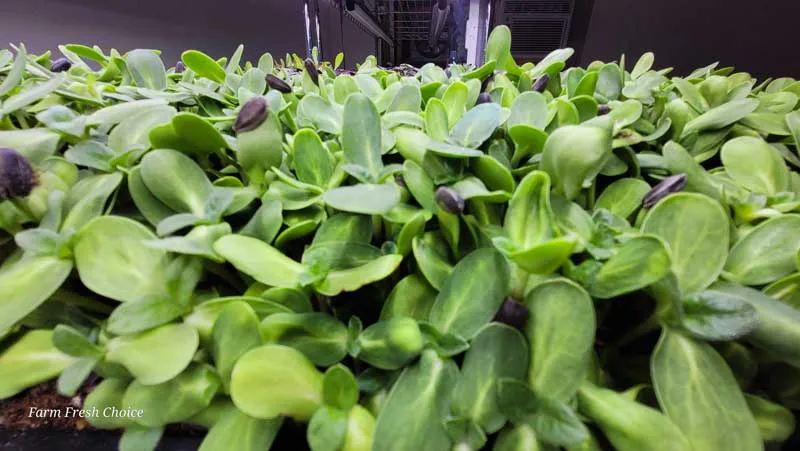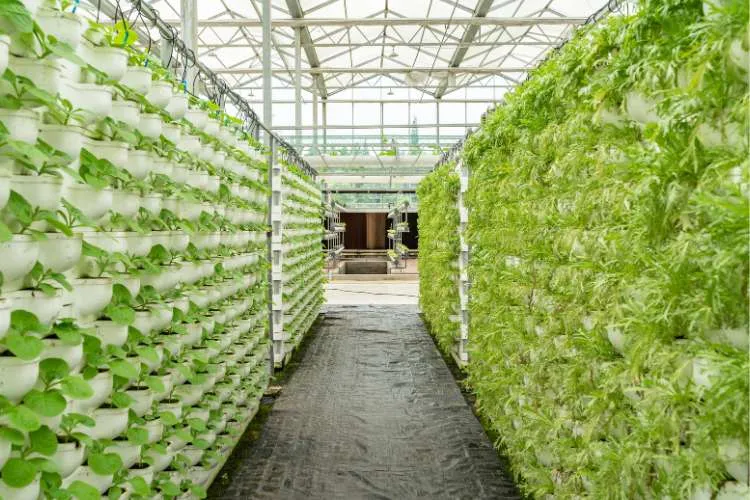
Vertical farming, an innovative agricultural practice that has recently gained significant attention, holds the potential to revolutionize food production. By cultivating crops in vertically stacked layers, often within controlled environments, it offers a promising solution to the challenges faced by traditional farming, such as land scarcity, climate change, and the need for sustainable practices. This potential shift in how we produce food brings hope for a more sustainable and efficient future.
However, like any new technology, farming vertical has its own set of pros and cons. This article will delve into the advantages and disadvantages of vertical farming, exploring its pivotal role in shaping the future of agriculture and its potential impact on the environment and food production systems. This discussion aims to engage and inform readers about this innovative approach to farming.
What is Vertical Farming?
Vertical farming is a method of growing crops in vertically stacked layers, often within controlled environments, a practice known as Controlled Environment Agriculture (CEA). This innovative approach is designed to maximize space efficiency and optimize resource use, making it particularly well-suited for urban areas where land is limited.
Vertical food production systems rely on advanced technologies such as hydroponics, aquaponics, and aeroponics, which allow plants to grow without soil. These systems not only save space but also enable precise control over growing conditions, including light, temperature, and humidity.
Additionally, the integration of smart farming technologies, such as sensors and automated systems, enhances crop monitoring and production efficiency, making multi-level farming a forward-thinking solution in modern agriculture.
Advantages of Vertical Farming
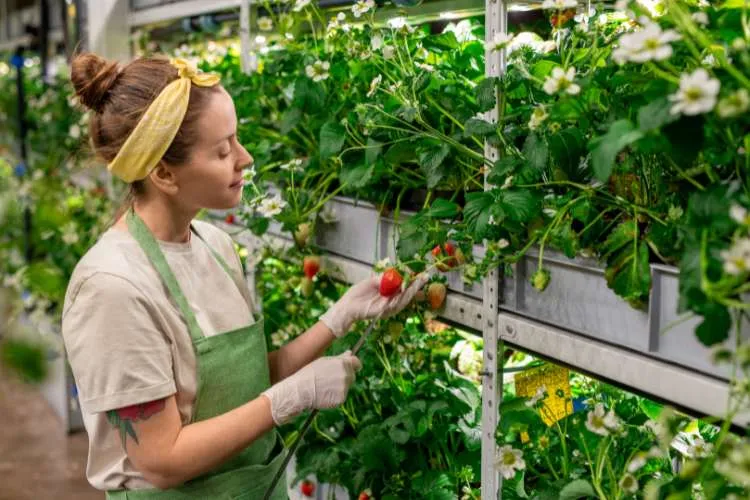
Vertical farming offers several compelling advantages, particularly in the context of sustainable farming practices and urban agriculture. As cities grow and the demand for fresh produce increases, farming vertical presents an innovative solution that addresses many of the challenges associated with traditional farming.
1. Space Efficiency
One of the most significant advantages of farming vertical is its ability to maximize space efficiency. By stacking crops in vertical layers, this method drastically reduces the land needed for cultivation. This space-saving technique is particularly beneficial in urban areas where land is scarce and expensive.
Vertical farming allows for the production of a large volume of crops in a relatively small area, contributing to land use reduction and enabling farming in locations that would otherwise be unsuitable for traditional agriculture.
2. Year-Round Production
vertical agriculture also facilitates year-round farming, irrespective of external weather conditions. Controlled environments ensure that crops receive optimal light, temperature, and humidity throughout the year. This level of climate control in agriculture not only extends the growing season but also ensures consistent yields, making vertical food production a reliable source of fresh produce even in regions with harsh climates.
3. Resource Conservation
Another significant advantage of vertical food production is its efficiency in resource use. Vertical farms use advanced hydroponic, aquaponic, and aeroponic systems that require significantly less water than traditional soil-based farming. Water use efficiency is a key feature of these systems, with some vertical farms using up to 95% less water, like on a microgreens farm.
Additionally, energy efficiency in farming is achieved through the use of LED grow lights and automated systems, which optimize energy use while minimizing waste. These practices contribute to the sustainability of vertical agriculture, making it a more environmentally friendly option compared to conventional farming methods.
4. Reduced Transportation Costs
The proximity of vertical farms to urban centers offers the advantage of reduced transportation costs. By growing fruits and nutrient rich vegetables closer to where it is consumed, it reduces the distance that produce needs to travel from farm to table. This not only lowers transportation costs but also reduces food miles, which in turn decreases the carbon footprint associated with food distribution.
Urban greenhouses, a common feature in vertical agriculture, contribute to this localization of food production, making fresh produce more accessible to city dwellers.
Disadvantages of Vertical Farming
While vertical farming offers numerous benefits, it also comes with its own set of challenges. These disadvantages must be carefully considered when evaluating the overall viability and sustainability of this innovative agricultural approach.
1. High Initial Costs
One of the most significant barriers to the widespread adoption of vertical farming is the high initial investment required. The cost of setting up a vertical farming operation can be substantial, particularly when compared to traditional farming methods.
These costs include the construction of specialized facilities, the purchase of advanced technology for climate control and lighting, and the integration of automated systems.
A thorough cost-benefit analysis of vertical food production must account for these expenses, as well as the potential long-term savings in land, water, and labor. However, the high upfront costs can be a deterrent for many potential investors and farmers, particularly in regions where funding and financial incentives are limited.
2. Energy Consumption
Vertical farming’s reliance on artificial lighting and climate control systems leads to high energy consumption, which is a major drawback. LED grow lights, while more energy-efficient than traditional lighting options, still require a significant amount of electricity to operate continuously.
The energy demands of maintaining optimal growing conditions can contribute to a large carbon footprint, especially if the energy is sourced from non-renewable resources. This energy consumption in this type of food production raises concerns about the environmental sustainability of the practice, particularly in areas where renewable energy sources are not readily available.
3. Limited Crop Variety
Another limitation of this type of growing food is the restricted range of crops that can be effectively grown in these systems. Vertical farming is well-suited for high-value crops like leafy greens, herbs, and microgreens, but it is less effective for growing staple crops such as wheat, corn, or rice.
This limitation on crop yield optimization means that growing food vertically cannot completely replace traditional agriculture, especially for crops that require more space or different growing conditions.
Additionally, ongoing plant growth monitoring is necessary to ensure that the selected crops thrive in the controlled environment, adding another layer of complexity to the operation.
4. Technical and Skilled Labor Requirements
Vertical farming requires advanced technical knowledge and skilled labor to manage the sophisticated systems involved. From operating agricultural robots to maintaining smart farming technologies, the workforce needed for vertical farming is specialized and often more expensive than that required for traditional farming.
This reliance on technical expertise can make it difficult for some farmers to adopt vertical food production practices, particularly in regions where access to skilled labor and technical training is limited. Moreover, the ongoing maintenance and upgrading of these high-tech systems add to the operational costs, further challenging the economic viability of vertical farming.
Environmental Impact
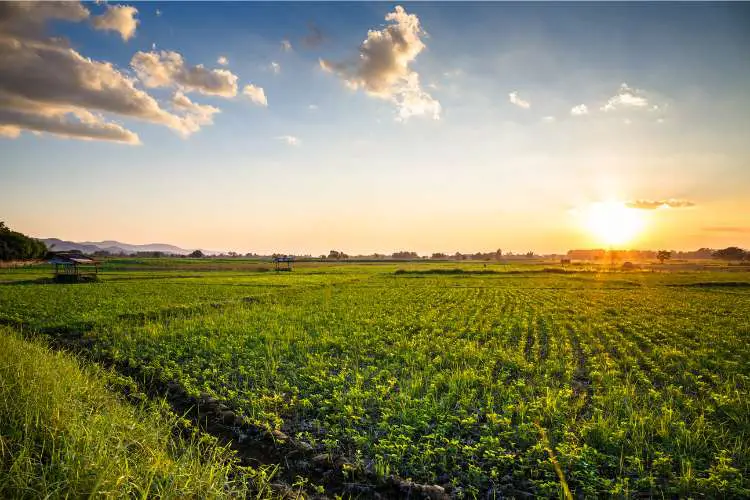
Growing food vertically has the potential to significantly impact the environment, both positively and negatively. Understanding these effects is crucial in determining whether this agricultural practice can contribute to sustainable agriculture.
1. Carbon Footprint
One of the major environmental concerns associated with farming vertical is its carbon footprint, primarily due to the high energy consumption required for artificial lighting and climate control.
The use of LED grow lights, while more efficient than traditional options, still contributes to greenhouse gas emissions, especially if the electricity is sourced from fossil fuels.
The challenge lies in reducing these emissions by integrating renewable energy in farming operations. Solar panels, wind turbines, and other renewable energy sources can help mitigate the environmental impact of vertical agriculture, but their adoption depends on location and infrastructure availability. Without significant investment in renewable energy, the carbon footprint of this could offset some of its environmental benefits.
2. Impact on Local Ecosystems
On the positive side, growing vertical can have a favorable impact on local ecosystems by reducing the need for extensive land use and minimizing the use of pesticides and herbicides.
Traditional farming often requires large tracts of land, which can lead to deforestation, soil degradation, and habitat loss. In contrast, vertical farming’s reduced land footprint allows natural ecosystems to thrive.
Furthermore, because vertical farms are typically housed in controlled environments, there is less need for chemical inputs that can harm local wildlife and contaminate water sources. This reduced environmental footprint contributes to more sustainable urban farming practices, which can support biodiversity and promote healthier ecosystems in and around urban areas.
The Future of Vertical Farming

The future of vertical farming is shaped by its potential to scale, the ongoing technological innovations, and its integration into urban planning. As we explore these aspects, it becomes clear that this advance farming could play a significant role in the future of agriculture.
1. Scaling and Economic Viability
High-rise farming presents promising opportunities for scaling, especially in urban environments where traditional farming is not feasible. However, the economic viability of multi-level farming remains a critical concern. The high initial costs and ongoing operational expenses can be prohibitive, especially for small-scale farmers.
Yet, as technology advances and economies of scale are realized, the costs of farming vertically are expected to decrease. Vertical agriculture economics may improve as the industry matures, making it more accessible to a broader range of agricultural entrepreneurs. Furthermore, investment in research and development can lead to more cost-effective solutions, enhancing the scalability of urban farming.
2. Technological Innovations
The future of urban farming is closely tied to advancements in high-tech agriculture. Innovations such as artificial intelligence in farming, agricultural robots, and smart sensors are making urban farming more efficient and productive. These technologies enable precise monitoring and control of environmental factors, optimizing plant growth and reducing waste.
Additionally, developments in renewable energy technologies could further reduce the environmental impact of vertical agriculture, making it a more sustainable option. As these innovations continue to evolve, farming vertical is likely to become more sophisticated, paving the way for its widespread adoption.
3. Integration into Urban Planning
Urban agriculture is increasingly being recognized as a vital component of sustainable city planning. Vertical farming, with its ability to produce food in close proximity to urban populations, aligns well with the goals of sustainable urban development. By integrating vertical farms into urban planning, cities can enhance food security, reduce transportation costs, and decrease their carbon footprint.
Moreover, the inclusion of vertical farms in urban landscapes can contribute to green spaces, improve air quality, and promote healthier living environments. As urbanization continues, the integration of vertical farming into city planning could become a standard practice, supporting the dual goals of sustainable agriculture and urban resilience.
Conclusion
Vertical farming presents a compelling vision for the future of agriculture, offering innovative solutions to many of the challenges faced by traditional farming methods. The pros include space efficiency, year-round production, resource conservation, and reduced transportation costs, all of which contribute to its potential as a sustainable farming practice.
However, the cons—such as high initial costs, significant energy consumption, limited crop variety, and the need for skilled labor—cannot be overlooked.
Whether vertical farming will become the dominant agricultural method in the future depends on how these challenges are addressed through technological advancements and economic feasibility.
As urbanization continues and the demand for sustainable farming practices grows, urban farming could play an increasingly important role in ensuring food security and reducing the environmental impact of agriculture. By integrating vertical farming into urban planning and continuing to innovate, this method could indeed represent a significant part of the future of agric