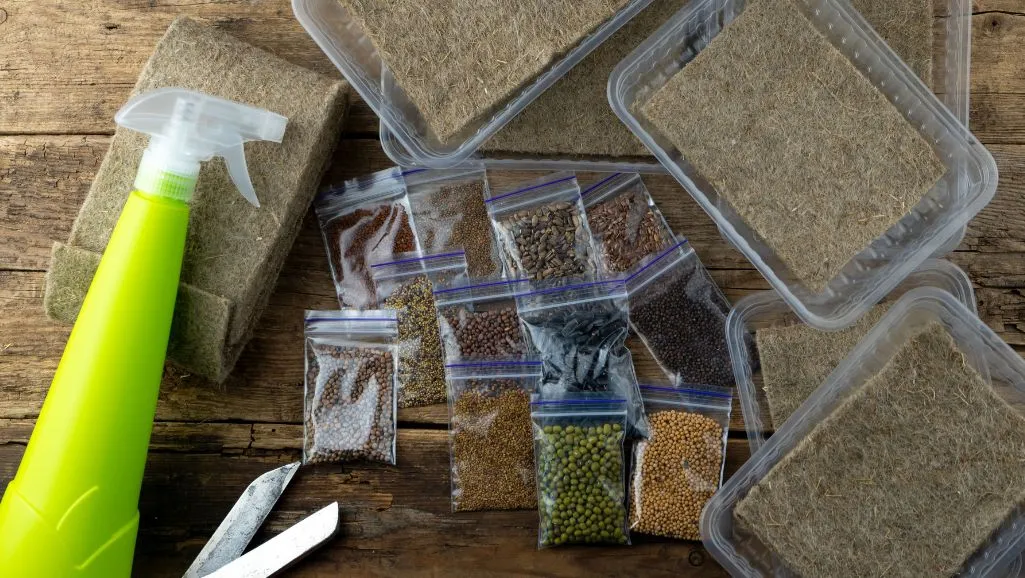
Properly storing microgreen seeds is crucial for ensuring their viability and successful germination. Understanding the best practices for storing these seeds can significantly impact your microgreen yields and overall success. Microgreen seeds, the foundation of young vegetable greens, require specific storage conditions to maintain their quality.
The ideal storage methods can maximize these seeds’ shelf life and germination potential. This article will guide you through the optimal conditions for storing microgreen seeds, best practices, common mistakes to avoid, DIY storage solutions, comparisons with other seeds, and alternative storage methods.
Ideal Conditions for Storing Microgreens Seeds
Storing microgreen seeds properly is essential to maintain their viability, vigor, and germination rates. The following conditions are recommended for optimal storage:
Temperature
Microgreen seeds should be stored at temperatures below 50°F. Ideally, they are kept in a fridge or freezer. Cold storage slows down the metabolic processes within the seeds, reducing the likelihood of deterioration and prolonging their shelf life.
Seeds can be kept at a consistently cool temperature in refrigerators, while freezers provide an even colder environment that can further extend seed viability. However, it’s important to ensure that seeds are stored in a way that prevents temperature fluctuations, which can be detrimental.
Humidity
Maintaining the right humidity levels is crucial for seed storage. The ideal relative humidity for storing microgreen seeds is between 19% and 27%. Excess moisture can lead to mold growth and seed rot, while too little humidity can cause seeds to dry out and lose viability.
Desiccant packs or silica gel packets are recommended for your storage containers to control humidity. These materials absorb excess moisture and help maintain a stable, low-humidity environment.
Light
Microgreen seeds should be stored in a dark environment. Exposure to light can trigger premature germination or degrade seed quality over time. Using opaque or dark-colored containers can help block light from reaching the seeds. Also, storing seeds in a dark, cool place like a pantry or a dedicated seed storage box can protect them from light exposure.
Related Content: 7 Benefits of Dehydrating Microgreens
Best Practices and Tips for Microgreen Seed Storage
Storing microgreen seeds effectively involves adhering to best practices and employing useful tips to ensure their longevity and viability. Here are some key practices and tips for optimal seed storage:
Choosing the Right Containers
Selecting the right containers for storing microgreen seeds is crucial. Both glass jars and plastic containers can be effective, but each has its pros and cons:
- Glass Jars: Glass is non-porous and provides an airtight seal, making it ideal for keeping out moisture and pests. Glass jars are also transparent, allowing you to easily inspect the seeds without opening the container.
- Plastic Containers: High-quality, food-grade plastic containers can also provide a good seal and are typically more lightweight and less breakable than glass. However, ensure the plastic is BPA-free and designed for long-term storage to avoid chemical leaching.
Using Desiccant Packs and Vacuum Sealing
Consider using desiccant packs or silica gel packets to control humidity and further protect seeds. These absorb excess moisture within the container, maintaining an ideal humidity level. Vacuum sealing seeds can also be an effective method to extend their shelf life. Removing air from the storage container reduces the risk of oxidation and moisture buildup, which can degrade seed quality.
Recommended Content: Why Are Microgreens So Expensive?
Avoiding Temperature Fluctuations
Consistency in temperature is key to preserving seed viability. Avoid storing seeds where temperatures fluctuate, such as near windows, ovens, or heating vents. Fluctuations can cause condensation inside the container, leading to moisture problems and potential seed damage. Aim for a stable, cool environment like a refrigerator or a dedicated seed storage area.
Utilizing Refrigerators and Freezers
Refrigerators and freezers are excellent options for long-term seed storage. They provide a consistently cool environment that slows down the seed aging process.
When using a refrigerator, store seeds in the crisper drawer or a designated seed storage box to protect them from temperature changes caused by frequent door openings. Freezing seeds can extend their viability even further, but ensure they are properly dried and stored in airtight containers before freezing to prevent ice crystal formation.
Practical Tips for Handling and Inspecting Seeds Before Storage
- Inspect Seeds: Before storing, inspect seeds for any signs of damage, mold, or pests. Discard any compromised seeds to prevent contamination of the entire batch.
- Label Containers: Clearly label each container with the seed type and date of storage. This will help you keep track of seed viability and ensure you use older seeds first.
- Avoid Overfilling: Leave space in each container to allow air circulation and prevent crushing the seeds.
Common Mistakes and How to Avoid Them
Storing your seeds properly is crucial for maintaining their viability and ensuring successful germination. However, there are common mistakes that can compromise seed quality. Here’s how to avoid them:
Handling and Inspecting Seeds to Prevent Mold
Mold is a significant threat to stored seeds. To prevent mold growth:
- Inspect Seeds Thoroughly: Before storing, carefully inspect seeds for any signs of mold or damage. Discard any seeds that appear compromised.
- Dry Seeds Completely: Ensure seeds are fully dried before storage. Even slight moisture can promote mold growth.
- Use Desiccants: Desiccant packs can help absorb excess moisture and reduce the risk of mold in storage containers.
Avoiding Moisture Issues and Understanding the Impact of Ethylene Exposure
Moisture is the enemy of seed storage. Here’s how to control it:
- Airtight Containers: Always use airtight containers to protect seeds from humidity.
- Stable Environment: Store seeds in a stable, cool, dry environment to prevent moisture buildup.
- Avoid Ethylene Exposure: Ethylene gas, produced by ripening fruits, can accelerate seed aging. Keep seeds away from fruits and vegetables to avoid exposure.
Common Pitfalls in Seed Storage and How to Mitigate Them
Awareness of common pitfalls can help you store seeds more effectively:
- Improper Labeling: Not labeling containers can lead to confusion and improper use of seeds. Always label containers with the seed type and storage date.
- Temperature Fluctuations: Storing seeds in areas with fluctuating temperatures can cause condensation and moisture issues. Choose a consistent, cool location.
- Overfilling Containers: Overfilling can crush seeds and reduce air circulation. Leave some space in each container.
- Ignoring Expiration Dates: Seeds have a shelf life. To maintain freshness, regularly check stored seeds and use older seeds first.
- Neglecting Inspections: Periodically inspect stored seeds for signs of damage or mold. Early detection can prevent the spread of problems.
DIY and Creative Storage Solutions
Storing your microgreen seeds effectively doesn’t have to be expensive or complicated. Many DIY and creative storage solutions can help keep your seeds viable. Here are some budget-friendly and eco-friendly options:
Using Paper Towels in Storage Containers
Paper towels can be an effective way to manage moisture levels in your seed storage containers:
- Layering: Place a layer of paper towel at the bottom of your storage container. The paper towel will absorb any excess moisture, preventing it from reaching the seeds.
- Wrapping Seeds: For additional protection, wrap seeds in a dry paper towel before placing them in a container. This method provides an extra layer of moisture control.
Budget-Friendly and Eco-Friendly Options
You can create effective seed storage solutions using common household items:
- Glass Jars: Recycle glass jars from your kitchen (e.g., jam or pickle jars) to store seeds. Ensure they are thoroughly cleaned and dried before use.
- Plastic Containers: Use clean, food-grade plastic containers or repurpose containers such as yogurt cups or plastic bottles.
- Reusable Bags: Consider using reusable silicone bags for seed storage. They are durable, airtight, and environmentally friendly.
- Cardboard Boxes: Small cardboard boxes can be used for storing seeds. Line them with parchment paper to improve moisture control.
Space-Saving Storage Ideas
Maximize your storage space with these creative ideas:
- Vertical Storage: Use stackable containers or shelves to store seeds vertically. This method saves space and keeps your storage area organized.
- Seed Envelopes: Store seeds in small, labeled envelopes and place them in a larger airtight container. This method keeps different types of seeds organized and easily accessible.
- Drawer Organizers: Repurpose drawer organizers or small containers to create a dedicated seed storage drawer. This keeps seeds sorted and protected from light and moisture.
Comparing Microgreen Seed Storage to Other Seeds
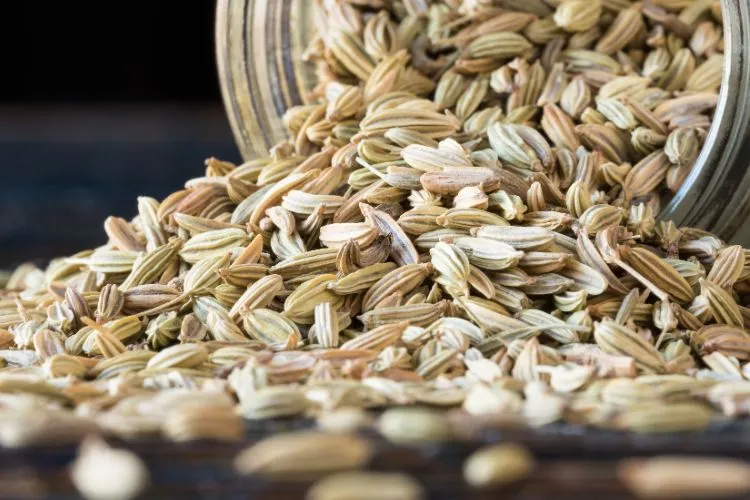
Storing microgreen seeds requires specific considerations that may differ from the storage needs of other types of seeds. Understanding these differences can help ensure the best practices are applied for each type.
Differences in Storing Microgreens Seeds vs. Other Vegetable Seeds
Microgreen seeds and other vegetable seeds have distinct storage requirements:
- Microgreen Seeds: Typically smaller and more delicate, these seeds benefit from cooler and more controlled environments. They require specific humidity levels and are more sensitive to light exposure.
- Other Vegetable Seeds: Often hardier, these seeds can sometimes tolerate a broader range of storage conditions. However, they still benefit from cool, dry, and dark environments to maintain viability.
Pros and Cons of Various Storage Methods
Different storage methods can be employed for both microgreen and other vegetable seeds, each with its advantages and disadvantages:
- Refrigeration:
- Pros: Maintains a stable, cool temperature; prolongs seed viability.
- Cons: It requires space in the fridge; there is potential for condensation if it is not properly sealed.
- Freezing:
- Pros: Extends seed longevity significantly; ideal for long-term storage.
- Cons: Requires airtight containers to prevent moisture; not all seeds handle freezing well.
- Room Temperature Storage:
- Pros: Convenient and easy to access; no special equipment needed.
- Cons: Less effective for long-term storage; greater risk of temperature and humidity fluctuations.
- Vacuum Sealing:
- Pros: Excellent for removing air and moisture; prolongs seed life.
- Cons: It requires vacuum sealing equipment, which can be costly.
How Microgreen Seed Storage Affects Seed Viability and Vigor
Proper storage conditions directly impact the viability and vigor of microgreen seeds. Microgreen seeds often have a higher initial germination rate than others but can degrade more quickly if not stored properly. Ensuring optimal conditions—cool temperatures, low humidity, and darkness—helps maintain their quality.
While other vegetable seeds also benefit from similar conditions, their generally more robust nature might be slightly more forgiving of less-than-ideal storage. However, maintaining a stable environment remains critical for all seeds.
Related content: 7 Reasons Microgreens Seed Density is Key to Healthy Growth
Alternative Storage Methods
Exploring alternative storage methods can offer additional ways to ensure the viability and longevity of microgreen seeds. Here are some advanced techniques and natural alternatives to consider:
Using Silica Gel Packets and Vacuum-Sealed Bags
Silica gel packets and vacuum-sealed bags are highly effective for controlling moisture and extending the shelf life of seeds:
- Silica Gel Packets:
- Moisture Control: Silica gel packets absorb moisture from the air, maintaining a dry environment within the storage container.
- Usage: Place a silica gel packet in each seed storage container. Replace them periodically to ensure continuous moisture absorption.
- Vacuum-Sealed Bags:
- Air Removal: Vacuum sealing removes air from the storage bag, reducing the risk of oxidation and moisture-related issues.
- Procedure: Use a vacuum sealer to seal seeds in airtight bags. Label each bag with the seed type and storage date.
Exploring Natural Alternatives and Advanced Techniques for Seed Storage
Consider these natural and innovative methods to store microgreen seeds:
- Charcoal: Placing a small charcoal in the storage container can help absorb moisture and keep the environment dry.
- Rice: Uncooked rice can act as a natural desiccant. Place a small amount of rice in a breathable bag and add it to the seed container.
- Zeolite Clay: Zeolite clay, like silica gel, can absorb moisture. Use it in the same way as silica gel packets.
- Oxygen Absorbers: These packets remove oxygen from the storage container, which can help preserve seed viability. Use them in combination with airtight containers.
Long-Term Storage Solutions for Microgreen Seeds
For those looking to store microgreen seeds for extended periods, these methods can be highly effective:
- Cryogenic Storage involves storing seeds at extremely low temperatures, often in liquid nitrogen. While not typically accessible for home gardeners, seed banks use this method to preserve genetic diversity.
- Deep Freezing: Storing seeds in a deep freezer at temperatures below freezing can significantly extend their viability. Keep seeds dry and stored in airtight containers to prevent ice crystal formation.
- Canning Jars with Gaskets: Use canning jars with rubber gaskets to create an airtight seal. These jars are effective for long-term storage when combined with desiccants or oxygen absorbers.
Conclusion
Proper seed storage ensures microgreens’ viability and maximizes shelf life. By understanding and implementing the best practices for seed storage, you can maintain your seeds’ quality and germination potential.
Recap of Key Points
- Ideal Conditions: To maintain viability, store seeds in a cool (below 50°F), dry (19-27% relative humidity), and dark environment.
- Best Practices: Use airtight containers, such as glass jars or high-quality plastic containers, and consider using desiccant packs or silica gel to control moisture. Vacuum sealing and refrigerating or freezing seeds can further extend their shelf life.
- Common Mistakes: Avoid moisture issues, temperature fluctuations, and ethylene exposure by inspecting and handling seeds properly and choosing the right storage location.
- DIY Solutions: Utilize household items like paper towels, glass jars, and silicone bags for budget-friendly and eco-friendly storage options.
- Alternative Methods: Explore advanced techniques for long-term preservation, such as silica gel packets, vacuum-sealed bags, and cryogenic storage.
Final Recommendations for Optimal Storage
- Label and Rotate: Always label your storage containers with the seed type and storage date. Rotate your stock by using older seeds first to maintain freshness.
- Regular Inspections: Periodically check your stored seeds for signs of mold, moisture, or damage. Early detection can prevent the spread of problems.
- Stable Environment: Ensure a consistent storage environment to protect seeds from temperature and humidity fluctuations.