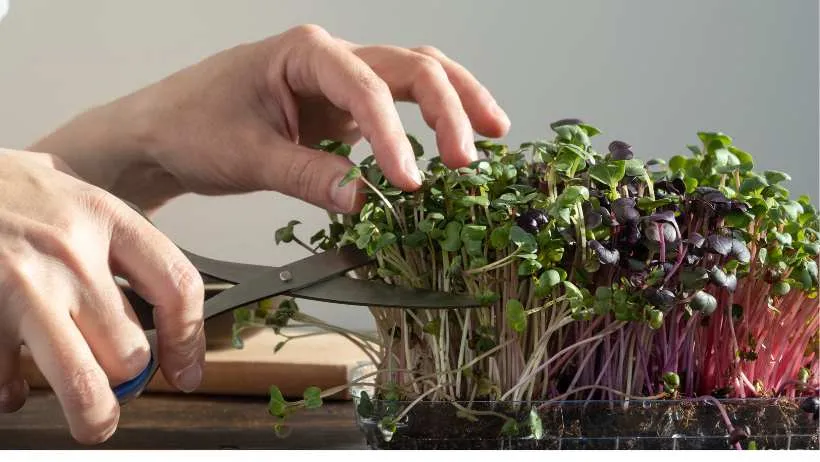
Ensuring that your microgreens are fresh is crucial to enjoying their full nutritional benefits and avoiding any potential health risks. But how do you know if your microgreens are bad? Understanding the signs of spoilage is essential for anyone looking to incorporate these nutritious greens into their diet. Fresh microgreens should be vibrant, crisp, and free of any unpleasant odors or unusual textures.
In this article, we’ll guide you through how to check if they are bad by identifying the key indicators of spoilage. From discoloration to odd smells, learning these signs will help you maintain micro greens freshness and ensure they are safe to eat. By regularly checking for these signs, you can confidently enjoy the vibrant flavors and health benefits that they bring to your meals.
Inspect for White Fuzz or Mold
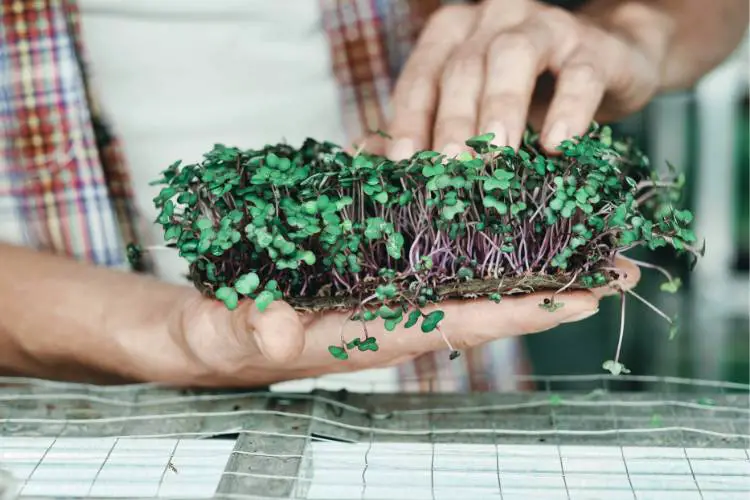
When examining your greens, it’s crucial to distinguish between harmless root hairs and harmful mold. Root hairs are natural and often appear as a fine, white fuzz on them, particularly around the roots. They are a sign of healthy growth and should not be confused with mold. On the other hand, mold on microgreens is a different matter. It can appear as white fuzz as well, but it typically spreads unevenly and may appear on leaves or stems, not just the roots.
Detecting mold on your microgreens is essential because it can lead to spoilage and make the them unsafe to eat. Mold thrives in warm, humid conditions and can quickly ruin an entire batch if left unchecked. If you spot any signs of mold, it’s best to discard them immediately to prevent any potential health risks associated with consuming spoiled food. Additionally, if you’re concerned about mold on microgreens, you can learn more about preventing and treating it here.
Check for Unpleasant Odors

Fresh vegetables should have a mild, earthy aroma that is pleasant and indicative of their freshness. However, if you notice a rotten smell, this is a clear sign that they have begun to spoil. The odor of spoiled vegetable is often sour, musty, or even slightly pungent, and it can be quite off-putting.
To detect whether your microgreens are bad, take a moment to assess their scent. If you detect any of these unpleasant odors, it’s likely that they are no longer fresh and should be discarded. The rotten smell indicates that its starting to decompose, which can lead to the growth of harmful bacteria. Regularly checking the scent of your microgreens is a simple but effective way to ensure they remain safe for consumption.
Look for Discoloration
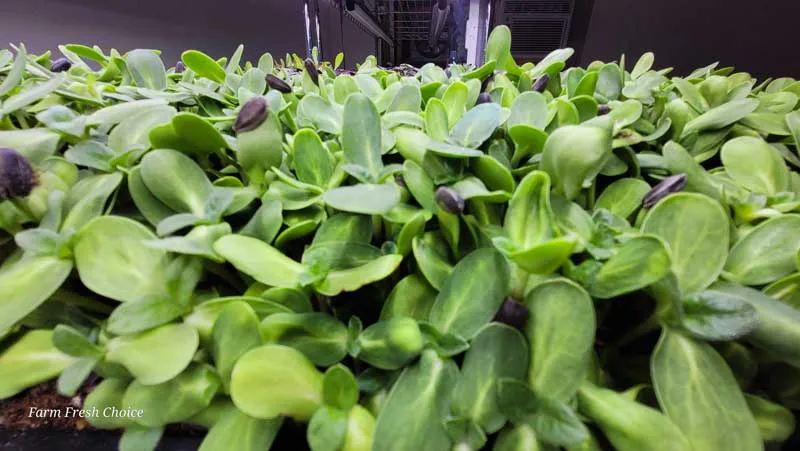
Healthy micro greens are vibrant and green, a clear sign of their freshness and nutritional value. However, when they start turning yellow, it’s a visual sign that they may be going bad. Yellowing leaves on your greens typically indicate that they are past their prime and may not be safe to consume. This discoloration often starts at the edges of the leaves and gradually spreads.
In addition to yellowing, browning or other unusual discolorations can also be red flags. These changes in color suggest that they are deteriorating, possibly due to poor storage conditions or extended shelf life. If you observe any of these visual signs of bad vegetable, it’s wise to discard them. Maintaining an eye for these color changes is key to ensuring that you only consume food that are fresh and safe.
Examine the Texture
The texture of fresh microgreens is one of the most telling signs of their quality. Ideally, microgreens should be crisp and firm to the touch, indicating they are fresh and full of life. However, a noticeable change in texture can signal spoilage. For instance, if you detect any slimy microgreens roots, this is a clear indication that they have started to rot. Similarly, softening microgreens or mushy leaves suggest that the greens are past their prime and should not be consumed.
Microgreens that have lost their crispness and become limp or slippery are no longer in their best condition. The texture change often accompanies other signs of spoilage, such as unpleasant odors or discoloration. To avoid consuming spoiled microgreens, regularly check their texture. If you notice any of these negative changes, it’s best to discard them to ensure your meals are both safe and enjoyable.
Monitor for Wilting or Withering

Wilting and withering are common indicators that microgreens are no longer at their peak freshness. While some wilting might occur naturally due to dehydration, especially if they have been out of the fridge for a while, consistent or severe wilting is a sign that they are past their prime. Withering microgreens often appear shriveled, limp, and lifeless, which suggests they are drying out and losing their vitality.
Microgreens wilting can sometimes be reversed by placing them in water, but this only works if the wilting is due to temporary dehydration. However, if they continue to wither even after rehydration, they have likely begun to spoil and should be discarded. Monitoring for wilting or withering helps ensure that you consume microgreens at their freshest, maximizing their nutritional benefits and flavor.
Ensure Proper Storage
Proper storage is essential to prolonging microgreens’ freshness and preventing spoilage. Improper storage can drastically reduce their shelf life, leading to quicker deterioration. To keep your vegetables fresh, storing them in the fridge immediately after purchase or harvest is crucial. The ideal way to store them is in a breathable container or a perforated plastic bag, which allows for some airflow while retaining moisture.
They should be kept at a cool temperature to slow their natural degradation. Avoid storing them in tightly sealed containers, which can trap moisture and lead to mold or sliminess. Checking the condition of your microgreens regularly while in storage and using them promptly will also help ensure they stay fresh longer.
Conclusion
Recognizing the signs of spoilage in microgreens is essential for safe consumption. By inspecting for white fuzz or mold, checking for unpleasant odors, looking for discoloration, examining the texture, monitoring for wilting or withering, ensuring proper storage, and being aware of unusual growth patterns, you can keep them fresh longer and avoid potential health risks.
Regularly checking your microgreens using these methods will help you enjoy their full nutritional benefits while ensuring they remain safe to eat. Discarding bad food is a small step to ensure your meals are healthy and enjoyable.
Better Microgreens: Tips & Info
Why Are Microgreens So Expensive?
4 Best Microgreens for Juicing You Need to Try
Best Microgreens Growing Kit
Do You Need Holes in Your Microgreen Trays?
What’s the Best Way to Reuse Microgreen Soil?