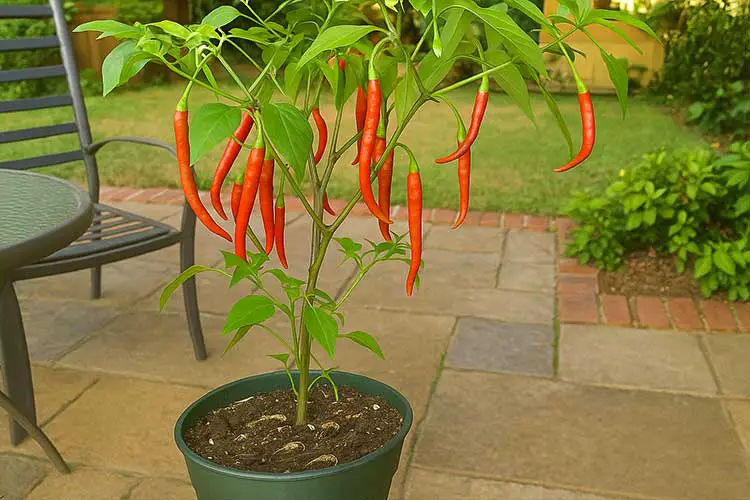
Jwala pepper is the slim, finger-length green chili you’ll see in Indian grocery stores. If you’ve wondered what jwala pepper is used for in Indian cooking, think of everyday heat for curries, dals, stir-fries, pakoras, chutneys, and quick pickles on the side.
Now, how hot is jwala pepper on the Scoville scale? It lands around 20,000–50,000 SHU, hotter than jalapeño but milder than Thai bird’s eye chilies. For a taste description for home cooks, think fresh, grassy, lightly fruity, with a clean burn that doesn’t completely numb your tongue.
Here is the interesting part: alongside flavour, you also get pepper’s nutritional and health benefits. Jwala chilies are low in calories but rich in vitamin C and antioxidants, so they support immunity and help you make dishes that stay bold without extra oil or salt; we’ll look at those more later.
How Jwala Pepper Compares to Other Chilies
If you’re new to Indian chilies, it helps to know where jwala sits on the heat ladder and how it tastes in real food. This section gives a clear taste description for home cooks, a quick jwala vs serrano heat level comparison, and helps you decide how many to use in curry for medium heat.
So, how hot is jwala pepper on the Scoville scale? It usually falls in the same general band as serrano, so in a jwala vs serrano heat level comparison, you can treat them as similar, with jwala sometimes feeling a touch sharper. In jwala vs jalapeno, jwala wins; jalapeños are milder. For how many to use in curry for medium heat, start with 2–3 whole slit jwlas for a 4-serving curry, then adjust next time based on your comfort.
Now to flavour. For a simple taste description for home cooks, green pods are fresh, grassy, and slightly citrusy, perfect for tempering oil and for quick stir-fries. The green vs red jwala pepper flavor difference is that red ones taste fruitier and a bit sweeter, with rounder heat. Compared to Thai chili for curries and pickles, jwala is less sharp and more flexible, especially good for making hot sauce where you want heat plus flavour, not only fire.
How to Grow Jwala Pepper in Containers
If you want steady chilies right outside your door, learning how to grow it in containers makes jwala peppers very doable. You control water, soil, and growing conditions, temperature, and sunlight, and you can even start growing indoors under grow lights if your season is short or your balcony is shady.
So, seeds vs seedlings: which is better to start with? Seeds are cheaper and give you more plants, but they take longer to grow. For how long does it take for a seed to fruit? Plan on about 90–110 days from sowing to first ripe pods. Seedlings from a nursery shave weeks off that timeline. Use a 3–5-gallon pot per plant for adequate root space. For a simple plant spacing and pruning guide, grow one plant per pot, pinch the growing tip once it reaches 20–25 cm, and remove weak side shoots so light reaches the center.
Now, think about the best soil mix for growing in a container. Use a light potting mix with compost and a bit of perlite for drainage. Jwala likes warm roots, so wait until nights stay above 10–12°C before leaving plants outside. For growing conditions, aim for 6–8 hours of direct sun, or grow indoors under grow lights set 15–30 cm above the plants for 14–16 hours a day.
Day-to-Day Care: Watering, Feeding, Pests, and Problem Solving
Day-to-day care is where your jwala pepper really earns its space on the patio or windowsill. Small changes in watering, feeding, and pest control can mean the difference between a tired plant and one loaded with chilies. So this section focuses on common problems and solutions you can use without expensive equipment or complicated routines.
For containers, the big question is how often to water this plant. In warm weather, you’ll usually water once a day, but only when the top 2–3 cm of soil feels dry. Water until it drains from the bottom, then let the pot breathe to avoid soggy roots. A light mulch of leaf mould or coco coir helps the soil stay evenly moist. Use an organic fertilizer for potted plants every 10–14 days, such as liquid seaweed or compost tea, to keep leaves green and steady pod production.
Now, keep an eye out for aphids, spider mites, and whiteflies; simple pest control methods include spraying with soapy water, neem oil, or introducing ladybugs outdoors. If you notice pepper pods turning yellow, the causes and fixes often involve uneven watering, nutrient deficiencies, or sunscald, so adjust watering and feeding first. For overwintering plants in cold climates, prune lightly, move pots indoors before frost, reduce watering, and give them bright light so they can bounce back next season.
Harvesting Jwala Peppers and Reading Ripeness
Harvesting is the fun part, but it’s easy to second-guess yourself. So you’ll want a clear idea of how long it takes to fruit from seed and how to know when it is ripe at both green and red stages—that way you can pick for exactly the flavour you like.
From sowing, jwala usually needs about 90–110 days to give you the first usable pods, so don’t panic if plants look leafy for weeks. Now, how can you tell when it is ripe at the green stage? Look for firm, glossy chilies that have reached near full length and feel tight when you press them gently. The skin should look smooth, not wrinkled. For entirely red pods, wait until the colour is even from stem to tip and the chili feels slightly softer, almost like a ripe tomato but still snappy.
Here is the interesting part: timing changes flavour and heat. The green vs red flavor difference is that green pods taste bright, grassy, and a bit sharp, great for curry bases and tadka. Red ones are sweeter and fruitier with warmer heat, perfect for pickles, chutneys, and fresh slices on the plate, so choose based on the dish in front of you.
Cooking with Jwala Pepper in Indian Home Dishes
If you’re wondering what jwala pepper is used for in Indian cooking, think of everyday heat that fits quietly into your regular meals. You can’t tuck it into curries, dals, sabzis, recipes for Indian home cooking like pakoras, and all those quick side chutneys and pickles that sit on the table and wake everything up.
Now to the practical question: how many to use in curry for medium heat? For a 4-person curry, start with 2–3 slit jwlas, seeds left in, added to the oil during the tempering step. In a mild dish, use one and remove the seeds. With hotter food, go to 4–5. Compared to Thai chilies used for curries and pickles, Thai chilies are usually smaller but more pungent. In contrast, jwala peppers offer a smoother burn and more flavour, so it’s easier to control for family meals. It’s also perfect for making hot sauce, since you get heat plus character.
So, how to use it in chutneys and pickles? Blend fresh jwala with cilantro, mint, garlic, lemon, and yogurt for a bright green chutney. For a quick pickle, slice jwlas lengthwise, toss with salt, lemon juice, and a little mustard oil. Both versions sit well alongside basic recipes for Indian home cooking, like dal, rice, and rotis.
Preserving Jwala Pepper: Drying, Freezing, and Pickling
If your plants are loaded or you found a big bag at the market, you’ll want simple ways to save that heat. Learning how to dry it at home for chili flakes, freeze fresh for later use, and make a quick pickle means you get jwala flavour all year round without waste.
So, how to dry chili flakes at home? Thread whole peppers on a string or spread them on racks in a warm, airy spot until they snap cleanly. For faster results, use the oven on its lowest setting with the door slightly open. Once brittle, blitz them into flakes or powder. For storing dried foods to keep flavor and heat, use airtight jars kept away from light and moisture; label with date so you use the oldest first.
Now, making jwala pepper pickle step by step is straightforward. Wash and dry chilies, slit lengthwise, then toss with salt and let them sit to release some moisture. Pack into a clean jar with mustard seeds, turmeric, and lemon juice or vinegar, then top with warm mustard or neutral oil. For quick storage, freeze fresh peppers for later use by freezing whole or sliced peppers in bags; they keep well for 6–9 months and work best in cooked dishes like curries and stews.
Buying Jwala Peppers, Seeds, and Plants with Confidence
If you’re starting with this chili, buying good stock makes everything easier. You want to know where to buy fresh jwala pepper near me, how to choose a decent batch, and when it makes sense to pay a little more. The same idea carries over to seed packets and young plants for your containers.
So, how to choose high-quality jwala pepper at the market? Look for firm, glossy pods with bright green or red colour and smooth skin. Avoid chilies that look wrinkled, dull, or have soft spots near the stem. Indian grocers are usually your best bet for buying fresh jwala pepper, but some mainstream supermarkets and farmers’ markets also carry them. For price per pound in local stores, compare unit prices on the shelf label. Fresh, local, in-season peppers may cost more than older imports but often taste better and keep longer.
Now, if you want to grow your own, check online stores for non-GMO seeds for home gardeners and clearly labeled heirloom seeds for authentic flavour. Read reviews and look for comments about good germination. If you prefer a quicker start, search for jwala pepper plant for sale online from nurseries that ship live plants; this suits you if your season is short or you want a few pots instead of starting trays of seeds.