You’ve heard they are packed with nutrients—but can microgreens make you sick? If you’ve ever felt unsure about eating those tiny greens raw, your instincts aren’t wrong. Behind their fresh look and healthy reputation, microgreens can carry hidden risks that most people don’t discuss.
Bacteria, mold, and chemical exposure can all lurk in that crisp handful, turning a “superfood” into a health threat. Maybe you’ve already felt queasy after eating some, or you’re just trying to protect your family from foodborne illness.
Either way, the danger is real—and preventable. Here’s exactly what you need to know before your next bite.
Bacterial Contamination
Because microgreens are eaten raw, they carry a higher risk of bacterial contamination if not carefully grown or handled. Warm, moist environments—perfect for sprouting—are also ideal breeding grounds for harmful bacteria like E. coli, Listeria, and Salmonella. Contaminated water, dirty growing trays, or unsanitized tools can easily spread these pathogens.
Even organic or store-bought microgreens aren’t guaranteed to be free of bacteria. Without a cooking step to kill germs, prevention is the only line of defense. Always check the source and ensure good hygiene and clean water are used throughout the growing process.
Mold and Fungal Growth
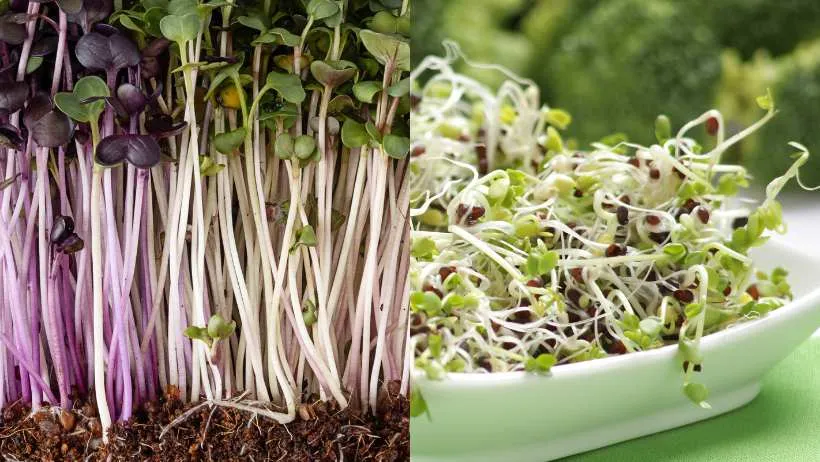
Mold and fungi love the same humid conditions microgreens need to thrive, especially when airflow is poor, or seeds are sown too densely. You might notice fuzzy white threads at the base of stems, often mistaken for root hairs, but if there’s a musty smell or discoloration, it’s likely mold.
Breathing in spores or consuming contaminated greens can irritate allergies or lead to respiratory issues. Home growers are especially prone to this if trays stay overly wet or lack ventilation. To reduce the risk, use clean containers, space seeds properly, and let your trays dry slightly between mistings.
Chemical Contamination
Due to their tender structure and fast growth, microgreens can absorb chemicals quickly. If growers use treated seeds, non-food-safe containers, or pesticide-laced soil, those substances can leach into the plants. Even recycled containers or reused potting mix might contain residues not meant for edible crops.
While commercial farms typically follow safety standards, home setups might unknowingly introduce toxins. To avoid this, stick to organic or untreated seeds, use food-grade trays, and choose soil mixes labeled safe for edibles. Rinse harvested greens gently under cool water to wash off any lingering particles before eating, especially if they weren’t grown organically.
Poor Hygiene During Handling
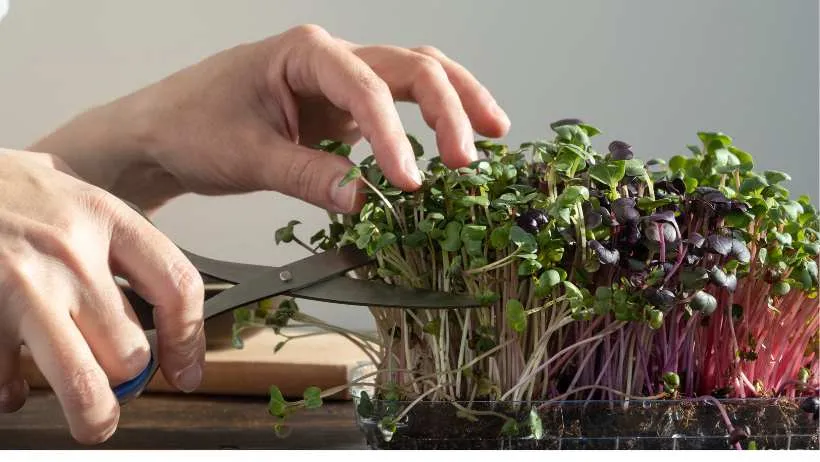
Unwashed hands, dirty scissors, or unsanitized harvest trays can make fresh microgreens a food safety risk. Because these greens are eaten raw, any germs introduced during cutting, packaging, or transferring can go straight to your plate. This is especially true for home growers or small-scale sellers who may skip strict sanitation steps.
Always wash your hands before handling microgreens, and clean tools with hot, soapy water or a food-safe sanitizer. Ask about their handling practices if you’re buying microgreens at a market. Clean handling doesn’t take much effort, but it makes a big difference in keeping you safe.
Spoiled or Rotten Microgreens
Microgreens spoil quickly if they’re stored improperly or kept too long. You’ll often notice a slimy texture, sour smell, or yellowing leaves when they start to rot. Because they’re so delicate, even a small amount of moisture trapped in packaging can speed up decay. Eating spoiled greens can lead to stomach cramps, nausea, or food poisoning.
Always check the expiration date and inspect your greens before eating—if they look mushy or smell off, toss them. Store microgreens in a paper towel-lined container to absorb moisture, and keep them in the fridge at a steady, cool temperature for the best freshness.
Allergic Reactions to Certain Varieties
Some microgreens come from plants that can trigger allergies, especially if you’re already sensitive to related foods. For example, mustard, radish, or arugula microgreens belong to the brassica family and can cause itching, swelling, or stomach discomfort in some people. Even though the greens are young, their compounds can still provoke reactions.
Cross-reactivity might also occur for those with pollen allergies. If you’re trying a new variety, start with a small portion and watch how your body responds. Always read labels or ask growers about the seed type, especially at farmers’ markets or when experimenting with homegrown mixes.
How to Eat Microgreens Safely
Start with clean hands. Wash your hands thoroughly before touching them, whether growing or prepping microgreens. This simple step helps prevent the transfer of harmful bacteria.
If you’re buying from a store or market, check the packaging date and inspect the greens for signs of spoilage. Avoid packages with excess moisture, browning, or a slimy texture. Store them in the fridge, ideally in a container lined with a dry paper towel to absorb humidity. Keep the lid loosely sealed to allow air circulation and prevent mold.
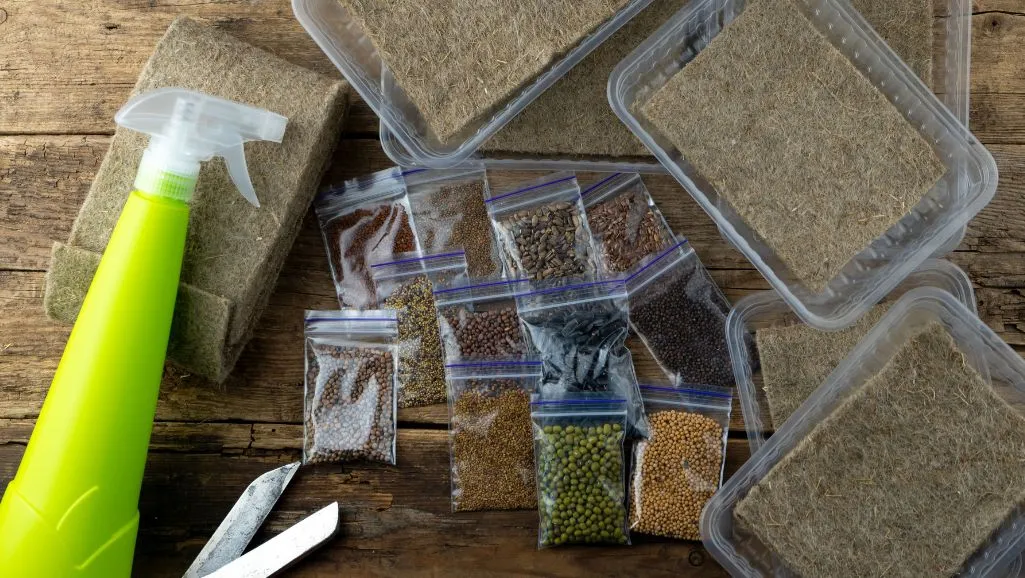
For home growers, always begin with untreated seeds specifically labeled for sprouting or microgreens. Skip the garden seeds, which may be coated in chemicals. Use clean, food-safe trays, fresh soil, or a growing medium for edible plants. Sanitize trays between each use with hot water and white vinegar or a mild bleach solution.
Be mindful of airflow. Use a small fan or open window to keep the growing area ventilated, especially if you’re growing indoors. Avoid overcrowding seeds to allow space for air to move through the stems.
Harvest with clean scissors or a sharp knife. Gently rinse harvested microgreens under cool, running water and dry them thoroughly before storing or eating. Even organic microgreens can carry dirt or bacteria from the growing surface.
Test a small bite first if you’ve never tried a particular variety, especially spicier or more unusual ones. If you have a food allergy or pollen sensitivity, consult your doctor before introducing new microgreens into your meals.
Store-Bought vs. Homegrown Microgreens
Store-bought microgreens offer convenience and often come pre-washed, but freshness can vary depending on how long they’ve sat on the shelf. Commercial growers usually follow food safety regulations, but moisture buildup can still lead to spoilage or mold once packaged. Always check the use-by date and inspect the greens before buying.
Homegrown microgreens give you more control over cleanliness, seed quality, and harvest timing. However, you can accidentally introduce bacteria or mold without proper sanitation and growing methods. Using clean tools, food-safe containers, and safe seed varieties is important. The learning curve is short, but hygiene matters.
Both options can be safe and healthy when handled with care. If you like knowing exactly how your food is grown, homegrown is a great choice. If time and convenience matter more, stick to reputable brands and refrigerate them promptly after purchase.
Symptoms of Illness from Unsafe Microgreens
If you eat contaminated or spoiled microgreens, symptoms often appear within hours to a couple of days. Common signs include nausea, vomiting, stomach cramps, diarrhea, and fever—classic indicators of foodborne illness from bacteria like Salmonella or Listeria. In more severe cases, especially in people with weaker immune systems, symptoms can escalate to dehydration or prolonged gastrointestinal distress.
Mold exposure may lead to allergic reactions, sneezing, coughing, or sinus irritation. People sensitive to plant compounds may experience itching in the mouth or throat, mild swelling, or digestive upset after eating certain microgreen varieties.
If symptoms are mild, rest and hydration usually help. However, seek medical care if you have a high fever, persistent vomiting, blood in your stool, or symptoms lasting longer than 48 hours. For vulnerable groups—infants, elderly adults, pregnant people, or anyone immunocompromised—it’s better to err on the side of caution and contact a healthcare provider quickly.
Who’s Most at Risk?
Certain groups should be especially careful with raw microgreens due to a higher risk of serious illness. Young children and infants have developing immune systems that aren’t strong enough to fight off bacteria like E. coli or Listeria. Older adults face a similar risk because immunity tends to weaken with age.
Pregnant individuals are also vulnerable, particularly to Listeria, which can cause complications like miscarriage or premature birth. People with compromised immune systems—such as those undergoing chemotherapy, living with HIV, or managing autoimmune conditions—are at higher risk of infections from even small amounts of contamination.
If you fall into one of these categories, consider cooking your microgreens lightly or choosing other leafy greens that can be washed and cooked more thoroughly. Avoid varieties commonly carrying mold or bacteria, and skip any that haven’t been washed or stored properly. When in doubt, consult a doctor before adding new microgreens to your meals.
Microgreen Myths & Misconceptions
One common myth is that microgreens are always safer than sprouts—they’re safer but not risk-free. Unlike sprouts, microgreens grow in light and are harvested above the soil, but they can still carry bacteria if grown or handled carelessly. Another belief is that “organic” means no contamination risk, yet even organic microgreens can spoil or grow mold if not stored correctly.
Some also think rinsing isn’t necessary—wrong again. Even clean-looking greens can harbor germs. Lastly, not all microgreens are superfoods for everyone; people with allergies or sensitivities should still check the variety before eating. Safety depends on how they’re grown and handled.
Helpful Microgreen Facts & Insight
Microgreens & Food Safety: Are They a Potential Hazard?
Can I Eat Microgreens Instead of Vegetables
How to Eat Microgreens for Breakfast