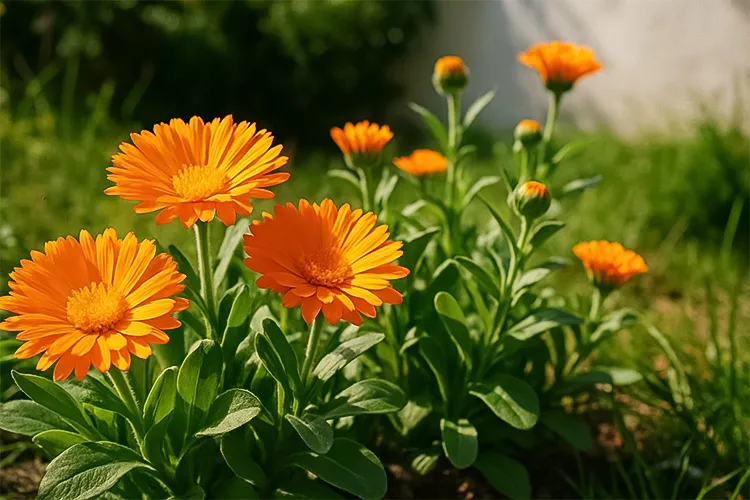
Calendula edible flowers bring more to the table than just pretty petals. These sunny blooms, sometimes called pot marigolds, offer soft, earthy flavor, vibrant color, and a gentle reputation for supporting skin and digestion. Whether sprinkled on a salad or steeped into a soothing tea, calendula petals add a touch of beauty with a purpose to your meals and home remedies.
In this guide, we’ll use “calendula edible flowers” to refer to the petals (and sometimes the leaves) of Calendula officinalis, a traditional garden herb with culinary and wellness uses. You’ll learn how to tell edible calendula apart from other lookalikes, grow it without harmful sprays, harvest it at its peak, and use it in everything from cookies to calming oils.
We’ll also cover safety basics like rinsing petals before eating and show you where to find or even sell your own harvest. If you’re curious about natural ways to add color, flavor, and a little plant-powered care to your kitchen or skincare routine, calendula is one flower worth getting to know.
Calendula Edible Flowers 101
Not every golden flower in your yard belongs on your plate. Calendula edible flowers come from Calendula officinalis, a specific plant known for its gentle herbal flavor and traditional use in both food and natural care. Knowing which varieties are safe and what parts you can eat helps you avoid confusion and enjoy the full benefits.
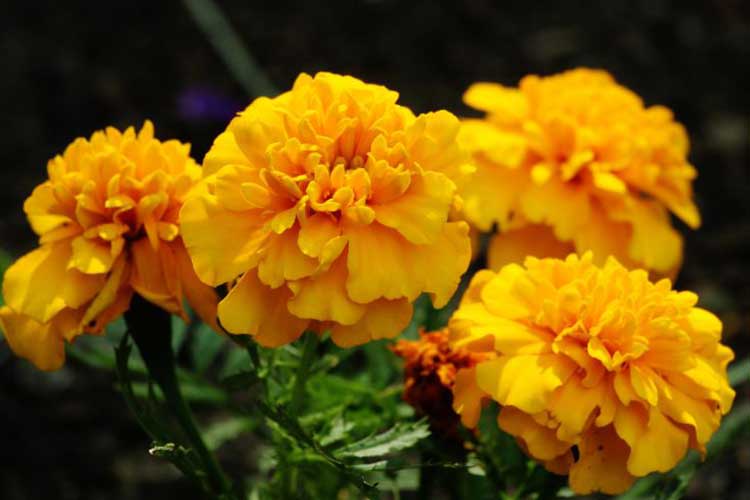
Here’s the interesting part: calendula is often lumped in with marigolds, but they’re not the same. True calendula (C. officinalis) is safe and widely used in herbal cooking and teas. In contrast, common marigolds from the Tagetes genus, those bright bedding plants, aren’t usually eaten and may cause stomach upset. To be sure you’re growing or buying the right plant, check your seed packets or plant tags for the word “officinalis.”
You can eat more than just the petals, but petals are the star. They’re mild, slightly peppery, and lend bright color to salads, rice, and even homemade bread. The young leaves are technically edible too, though they’re more bitter and used less often. You might add them, finely chopped, to soups or stir-fries, but go light at first.
What makes calendula petals popular in wellness recipes is their nutrition. The orange and yellow color comes from carotenoids—antioxidants linked to skin and eye health. The brighter the bloom, the more of these natural compounds it tends to contain. This color-power connection is one reason calendula petals appear in homemade oils and teas for skin and digestive support.
Food-Grade Blossoms and How Much to Eat
It’s easy to get excited about using calendula edible flowers in the kitchen, but safety comes first, especially when you’re picking them from the garden or buying fresh blooms. The source matters just as much as the recipe. Not all flowers are grown with eating in mind.
Calendula petals are safe to eat raw when sourced from trusted, chemical-free sources. Avoid florist bouquets, roadside plants, or nursery flowers unless they’re clearly labeled for edible use. These may have been treated with pesticides not meant for food. Instead, look for food-grade calendula from organic seed suppliers, herb farms, or grow your own without sprays. A good rule? If you wouldn’t eat your lettuce straight from the same spot, don’t eat your flowers from there either.
Before eating, give each bloom a quick rinse in cool water and gently pat it dry. This removes dust, bugs, and stray pollen. You can pull the petals off by hand or scissors, and snip away the green base if it tastes too bitter. Some gardeners leave that part on for infusions, but take it off for fresh dishes like salads.
Now here’s where moderation helps. Calendula is generally safe for most adults, but like any herb, it’s best to enjoy it in small amounts, think a few petals as a garnish, or a tablespoon in tea. For children or anyone with allergies or sensitive digestion, start with a slight taste and watch for reactions. And while it’s not considered toxic to pets, large amounts might upset a curious cat or dog’s stomach. So better to keep blossoms out of their snack zone.
Growing Calendula for Edible Use in Pots and Beds
Growing calendula edible flowers at home is one of the simplest ways to have a steady, safe supply of petals for your kitchen. These hardy flowers thrive in most backyards and containers, and with just a little care, you can enjoy blooms for months. The key is treating them like food crops, not just pretty fillers.
Calendula grows well in both containers and garden beds, as long as they get full sun and well-drained soil. For pots, use a good-quality organic potting mix and choose a container at least 10–12 inches deep. Water regularly, especially in hot weather, but let the top of the soil dry between soakings. In beds, space plants 8–12 inches apart and remove spent blooms often (deadheading) to keep the flowers coming. You’re not just growing for looks; your goal is to harvest and eat fresh, clean petals.
Not all calendula varieties taste the same. Some heirloom types like ‘Resina’ and ‘Erfurter Orange’ are known for their stronger medicinal traits and brighter petals. Others, like ‘Pacific Beauty’ or ‘Orange Flash,’ have softer flavours and ruffled blooms, great for garnish. Look for seed packets labeled as “edible” or “culinary use” to be sure you’re getting the right kind.
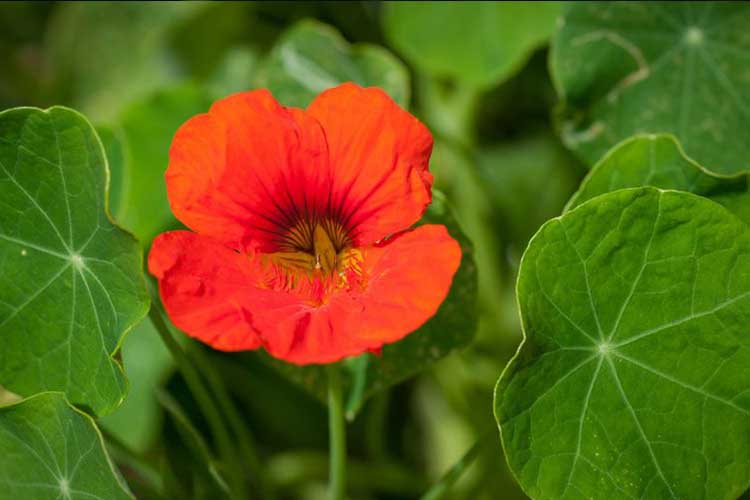
To keep your calendula pesticide-free, pair it with companion plants that help manage pests naturally. Basil, dill, and nasturtiums attract helpful bugs like ladybugs and lacewings. Mulching with straw or compost helps hold moisture and reduces the need for sprays. With a clean, chemical-free setup, you’ll be able to eat the petals right from the plant—no worries, rinse and enjoy.
Harvesting, Storing, and Preserving Calendula Petals
Fresh calendula petals lose their charm fast if you don’t handle them the right way. Picking at the right time, keeping blooms cool, and knowing how to dry or freeze them means you can enjoy their color and benefits long after they leave the garden.
Start by harvesting blooms late morning, once the dew has dried but before the midday sun wilts the petals. Choose flowers that are fully open with bright, unblemished petals. Gently snip or pinch them off at the base, being careful not to damage nearby buds. The more often you harvest, the more blooms the plant will produce, so don’t be shy about picking regularly.
For short-term use, keep fresh calendula in a breathable container lined with a paper towel. Store it in the fridge, but not for more than a day or two; petals wilt quickly if they’re damp or sealed too tightly. Avoid plastic bags or airtight containers, as they trap moisture and promote browning. If petals start looking soft or spotty, they’re past their prime for food use.
To preserve calendula longer, drying is your go-to. You can spread petals out on a screen in a dark, well-ventilated space, or use a dehydrator on low heat. Once they’re scorched and crispy, store them in a clean glass jar away from heat and light. You can also freeze petals first flat on a tray, then in a freezer bag for adding to breads or teas. Dried petals have a more concentrated color and a slightly different texture, while fresh petals are better for garnishes and delicate recipes.
Salads, Soups, Baking, and Colour
Calendula edible flowers don’t just look good; they pull their weight in the kitchen. From brightening a salad to adding color to butter and bread, these petals offer many creative options. Whether you’re aiming for flavour, color, or both, there’s an easy way to add calendula to your meals.
Fresh petals work beautifully in cold dishes. You can scatter them over leafy greens, pasta salads, or grain bowls for a pop of color and mild, earthy flavor. They pair well with citrus, fresh herbs like parsley or basil, and soft cheeses such as goat or ricotta. In soups or stews, add petals at the very end; heat dulls both their flavor and brightness, so treat them like a garnish rather than a cooking ingredient.
For baking, calendula is more versatile than it gets credit for. Fold petals into cake batters or bread doughs, especially in rustic recipes like tea loaves or sourdough. They also make stunning natural decorations for cupcakes and birthday cakes. Mixed into icing or layered between cake tiers, calendula adds a delicate yellow-orange hue without artificial colorants.
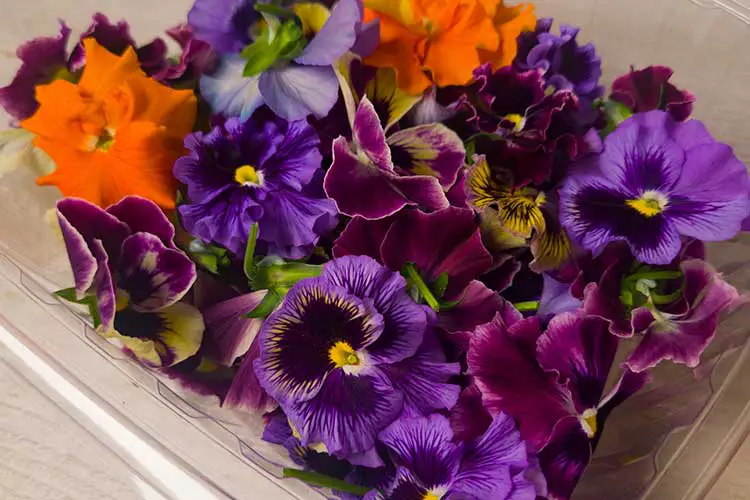
Now here’s where you can have fun with color. Mix calendula petals into softened butter, flaky sea salt, or sugar for DIY kitchen staples that look as good as they taste. These mixes work great as hostess gifts or pantry upgrades. You can also blend calendula with other edible flowers like chive blossoms, violas, or nasturtiums to build a colorful garnish that makes every meal look special.
Teas, Infusions, and Home Skincare with Calendula
Calendula edible flowers have been used for generations in teas, oils, and gentle skincare. The petals are especially valued for their soothing touch inside and out. Whether you want to sip a calming brew or make your own skin balm, calendula can easily fit into your home routine.
To make calendula tea, steep dried or fresh petals in hot (not boiling) water for 10–15 minutes. The flavor is mild and earthy, sometimes with a hint of spice. It blends well with herbs like mint, chamomile, or lemon balm. Many people sip calendula tea to support digestion or unwind in the evening. If you grow your own, just be sure the petals are clean and unsprayed before drying or brewing.
Calendula also makes flavorful and colorful infusions. You can steep petals in olive oil or apple cider vinegar for a few weeks, then strain and use the results in cooking. Calendula-infused oil adds subtle herbal notes to salad dressings or drizzles, while vinegars make great bases for marinades. Always use clean, dry petals and sterilized jars to prevent spoilage. Store in a cool, dark place and label with the date.
For simple skincare, calendula petals can be infused in oil to make body oils or salves. Use sunflower, olive, or almond oil and let it sit with the petals for several weeks before straining. You can then mix the oil with beeswax to make a balm for dry skin, or pour a bit into a warm bath for a relaxing soak. While calendula is known for being gentle, patch test first, especially if you have sensitive skin or allergies.
Buying, Selling, and Professional Uses for Calendula Edible Flowers
Calendula edible flowers aren’t just a homegrown favorite; they’re gaining traction in catering, farm stands, and bakery kitchens. Whether you’re looking to buy fresh petals or sell your homegrown harvest, knowing what to look for (and how to present it) makes all the difference.
If you’re shopping, start local. Farmers’ markets, herb farms, or CSA boxes are the best places to find fresh calendula edible flowers near you. Ask vendors how their flowers are grown, look for unsprayed, food-grade blooms. For dried petals, check online herb suppliers and read reviews. Good-quality dried calendula should have a bright yellow-orange color, soft herbal scent, and no brown spots or debris in the bag.
Calendula is a hit in professional kitchens thanks to its color and versatility. Caterers and chefs use the petals to dress up plates sprinkled along the rim of a salad, pressed into butter, or dusted over desserts. For weddings and events, calendula petals look stunning on cakes, in floral ice cubes, or even mixed into table salt for party favors. Blended with other edible flowers, calendula adds depth and contrast to garnish trays.
If you grow calendula and want to sell it, packaging and presentation go a long way toward success. For fresh petals, use ventilated clamshells or small paper cartons to prevent crushing. For dried petals, resealable pouches with a label make your product look clean and trustworthy. Include details like the variety, harvest date, and a note that they’re grown for edible use. It helps build trust—and sets your flowers apart at the market.